
Catalytic Blue Finance: Building the Financial Architecture for Scaling Ocean Investment

The ocean economy is fundamental to economic resilience and future prosperity, generating more than $3 trillion in estimated economic value each year. Yet declining ocean health and climate change could expose up to $4 trillion in coastal infrastructure over the next decade, while harmful and unsustainable practices could result in more than $8 trillion in economic losses by 2050.
Angie Brathwaite: How Blue Alliance Manages Marine Protected Areas
Marine conservation faces a tough reality: philanthropic grants are shrinking just as ocean crises accelerate. Drawing boundary lines only creates “paper parks” – marine protected areas lacking financial durability, enforcement, and authentic local ownership. In this episode of Ocean Collaborations, Jan Maisenbacher sits down with Angelique “Angie” Brathwaite, Director of Conservation and Science at , to unpack what scalable, self-sustaining ocean protection looks like on the ground.
A new partnership with Gadjah Mada University

The Ocean Protection Gap Report 2026 estimates that around USD 16 billion a year is needed for ocean protection, yet only USD 1.8 billion is currently spent. That leaves an annual shortfall of around USD 14 billion, and too many marine protected areas without the resources to function effectively. Blue Alliance’s work in Indonesia is featured in the report as a case study in building sustainable finance for MPAs through the blue economy, rather than treating MPA management as a short-term conservation project.
The Ocean Protection Gap Report 2026

The Ocean Protection Gap Report 2026 estimates that around USD 16 billion a year is needed for ocean protection, yet only USD 1.8 billion is currently spent. That leaves an annual shortfall of around USD 14 billion, and too many marine protected areas without the resources to function effectively. Blue Alliance’s work in Indonesia is featured in the report as a case study in building sustainable finance for MPAs through the blue economy, rather than treating MPA management as a short-term conservation project.
Doubling Down and Scaling Up: Ocean Investment Opportunities
Doubling Down and Scaling Up: Ocean Investment Opportunities details a selection of our most promising investment opportunities across Asia, ahead of the Philanthropy Asia Summit 2026. It follows ORRAA’s strategy of focusing on investments into six critical regenerative and sustainable blue economy sectors with a median potential global investment of USD$550 billion per annum through 2030, of which 56% is in Asia
Bridging Market Forces and Ecosystem Protection for Coastal Communities in Tanzania
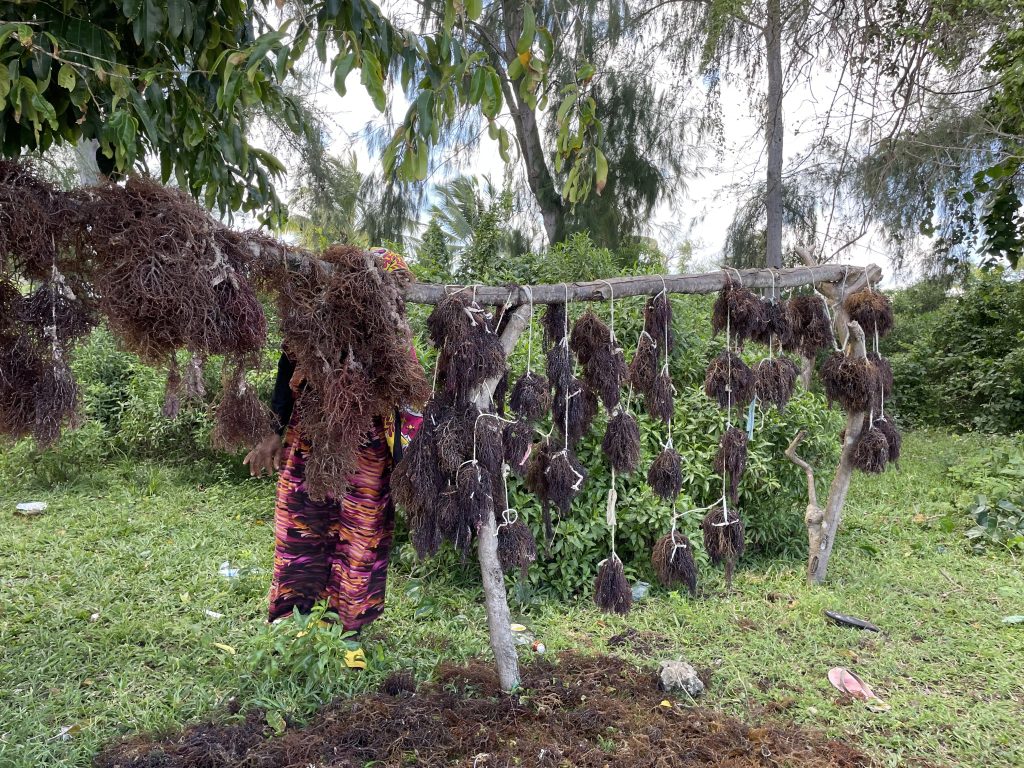
Following his visit to Pemba Island, Tanzania, Executive Director Dario Soto-Abril reflects on how marine protected areas, sustainable tourism and aquaculture can create jobs, strengthen local economies and build climate resilience — showing that protecting nature is also an investment in people and long-term prosperity.
Lessons From the Field: From Local Innovation to Scaled Investment

Over the past four years, ORRAA has supported 50 projects in 30 countries, building the resilience of more than 500,000 climate vulnerable coastal people in the Global South, 45% of whom are women.
Pemba Island: What Happens When Tourism Asks “Why?” Before It Arrives

Matt Saus built a foundation named after a question. Gary Lotter is developing reef-positive tourism experiences designed to generate lasting funding for marine protection. This is what conservation tourism looks like.
Fisheries and Marine Carbon Processes in the Context of Climate Change, a new report for World Ocean Day
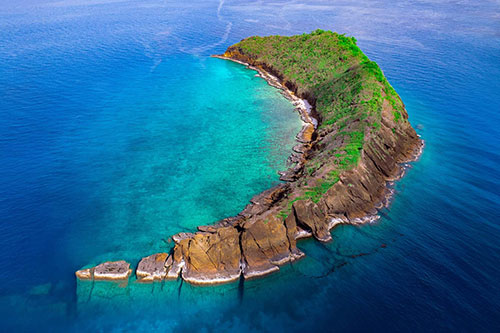
Global Rewilding Alliance launches a new report “Fisheries and Marine Carbon Processes in the Context of Climate Change”, by author Martin Miquel Pederson.
High-level UK Delegation Visit Blue Alliance & COAST Facility in the Philippines

A high-level UK delegation went to see how innovative finance & community-led enterprise are strengthening marine protection & coastal livelihoods