Every Blue Alliance MPA is designed and managed to rewild ecosystems, empower local communities, and promote Blue Economy reef-positive businesses. Our experience has shown us that these goals are entirely compatible and achievable to create a successful MPA.Â
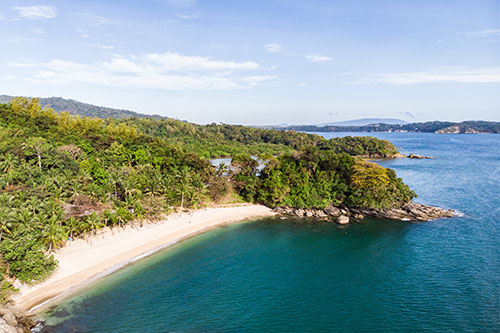
Since 2021, we’ve been working on behalf of the local governments in Mindoro MPA network to enhance habitat protection and regeneration in +300,000 ha of coral reefs, 15,000 ha of mangrove forests, and extensive seagrass beds. Mindoro is a biodiversity hotspot featuring over 40 species of coral and 300 species of fish, as well as iconic and threatened species like pelagic thresher sharks, turtles, giant clams, and a variety of marine mammals. Mindoro is part of the Verde Island Passage (VIP), which is recognized as a global center of marine biodiversity, with over 1,000 documented species – more than anywhere else on the planet. We’re helping to enhance climate change resilience and improve the lives of an estimated 13,200 coastal community households.Â
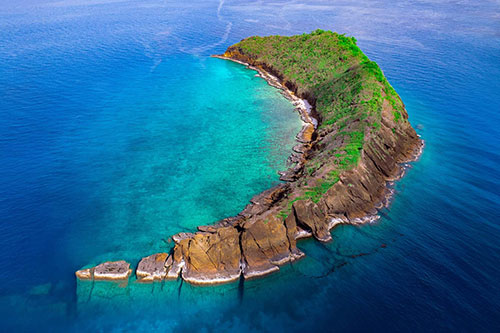
Northeast Palawan is one of the richest marine biodiversity areas in the Philippines, serving as a sanctuary for endangered species such as sea turtles and a potential source zone to replenish surrounding areas. The region features the highest remaining mangrove cover in the Philippines and supports commercially important fish species that are vital to local fisher communities. Since 2024, we’ve been working on behalf of the local governments in the Northeast Palawan MPA network to enhance habitat protection and sustainable fishing practices across a network of Marine Protected Areas, spanning approximately 650,000 hectares. We’re helping to improve the lives of an estimated 25,200 coastal community households.Â
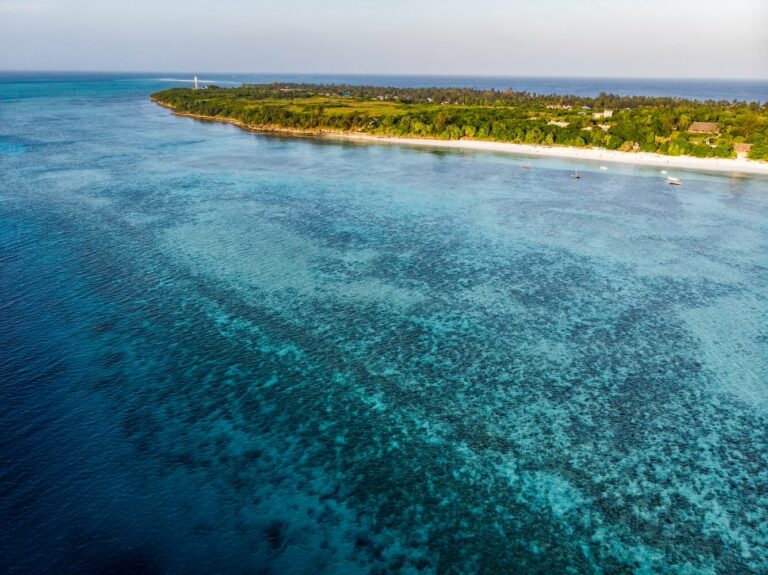
The Pemba Channel has the highest cetacean diversity in the country, and the area supports an array of marine mammals. Pemba’s marine environment hosts more than 40 threatened species, such as critically endangered Napoleon fish, Blue bumphead parrotfish, green and hawksbill sea turtles, reef manta ray, dugong, and humpback dolphin. 50% of Tanzania’s reefs are found around Pemba Island, and the PECCA features around 90,000 ha of coral reef, mangroves, and seagrass beds. Our work particularly aims at assisting the protection of resilient coral reefs and depleted fish stocks. Our mandate for the co-management of the Blue Corridor, the northern part of the Pemba Channel Conservation Area (PECCA), was signed with the Government of Zanzibar in 2023. Our management has a positive impact on more than 11,000 coastal community households.
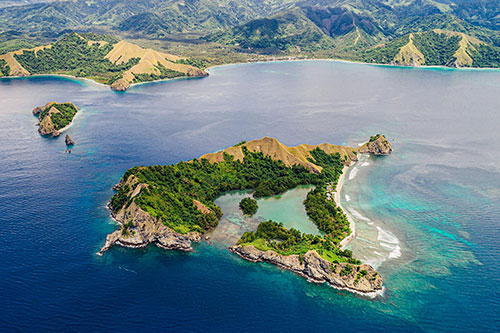
The Banggai Dalaka Conservation Area protects diverse marine species including reef fish, mantas, rays, endangered sharks, and threatened marine turtles. This large MPA also offer renewed hope for the preservation of the endemic, endangered Banggai cardinalfish, the critically endangered Napoleon fish, and more than 25 species of groupers. These remote islands exhibit unique endemism, with several species found nowhere else on Earth. The MPA helps to support sustainable fishing and augments the livelihoods of more than 1,000 coastal community households, while providing protection for vulnerable species and degrading habitats. Signed in 2021, our mandate with the Provincial Government encompasses 850,000 ha of coral reefs, mangroves, and seagrass ecosystems in the Banggai Dalaka Conservation Area, Central Sulawesi.Â
Since 2021, our model has been tested with the development of an eco-tourism business in a large MPA in Belize. Our strategy involved establishing a blended finance facility of US$1.2 million to implement a reef-positive business in ecotourism managed by the local co-management entity, Turneffe Atoll Sustainability Association (TASA). Given TASA's effective existing role as the MPA co-manager, we assumed the position of advisor/incubator, refraining from direct involvement in day-to-day MPA management.Â
Implemented in 2021, this facility enabled TASA to execute reef-positive businesses aligned with conservation goals, generating revenue to fortify the protection of the expansive 132,000 hectares of coral reef ecosystems. The investment not only positively impacted the local economy, including coastal fisher communities but also contributed to approximately 60% coverage of the Belize MPA's operational budget through revenues from innovative nature-based tourism solutions.Â
The overarching aim is to achieve full financial independence for Turneffe MPA by 2030, covering 100% of the annual budget and eliminating dependency on donors, thereby ensuring long-term impacts. Â
Funded by Natixis Investment Manager’s affiliate Mirova, through the Althelia Sustainable Ocean Fund, in collaboration with the International Union for Conservation of Nature (IUCN) via its Blue Natural Capital Finance Facility, this blended finance facility exemplifies an innovative partnership involving the public sector, private sector, NGOs, and communities. It represents a significant step towards ensuring the financial sustainability and independence of MPAs, moving away from traditional funding sources such as grants and public funds.Â
Turneffe Atoll is a global hotspot for marine biodiversity and a vital part of the Mesoamerican Reef, the largest barrier reef in the northern hemisphere, extending over some 142,000 ha of marine and coastal habitat, including 132,000 hectares of coral reefs. Turneffe Atoll is especially important due to its interconnected mangrove, seagrass, and coral reef ecosystems, and it is also one of the few MPAs with significant deep-water ecosystems. Turneffe Atoll Marine Reserve not only protects important fish spawning grounds as well as the reef itself, but also many threatened species from staghorn and elkhorn corals to hawksbill and green turtles, manatees and dolphins.
We’re partnering with the Turneffe Atoll Sustainability Association (TASA) for the sustainability of the Turneffe Atoll Marine Reserve (TAMR) through reef-positive businesses in ecotourism. This collaboration benefits around 1,000 coastal community households as well as the rich flora and fauna that include three grouper spawning aggregations and around 40 species of international concern.
Long-term co-management agreements with Local Governments and organisations
Collaborations with trusted local community partners, focused on performance-oriented management, strategy execution, and revenue generation
Business models based on Blue Economy principles that enable progressive independence from donors by creating tangible revenue streams for direct reinvestment into each MPA
Sufficient up-front and early-stage blended capital for both the MPA and associated reef-positive businesses
From the iconic thresher sharks to the threatened green sea turtles, and the rare, endemic Banggai cardinalfish—our Marine Protected Areas in the Philippines, Zanzibar, and Indonesia are teeming with diverse marine life. Each species plays a crucial role in maintaining the ecological balance and health of their habitats. However, many of these vital species are confronted with challenges that threaten their survival and the integrity of their ecosystems. Understanding the essential roles, iconic status, and vulnerabilities of these species is crucial for initiating and implementing conservation measures to safeguard them and the intricate ecosystems they inhabit.
"*" indicates required fields