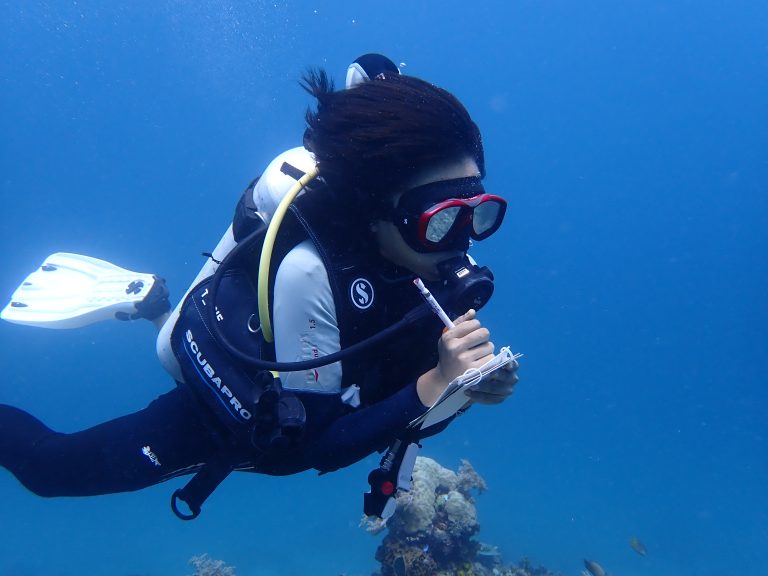
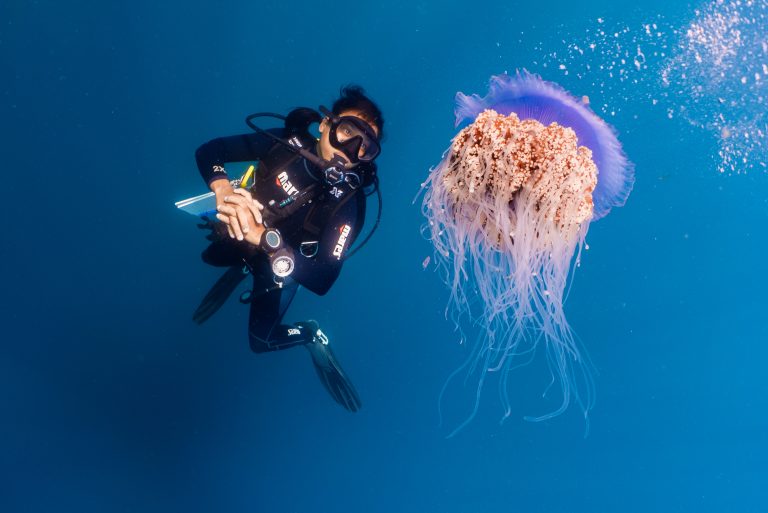
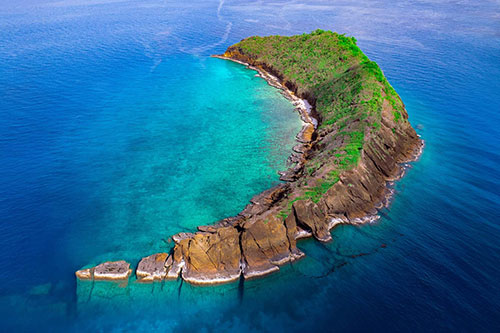
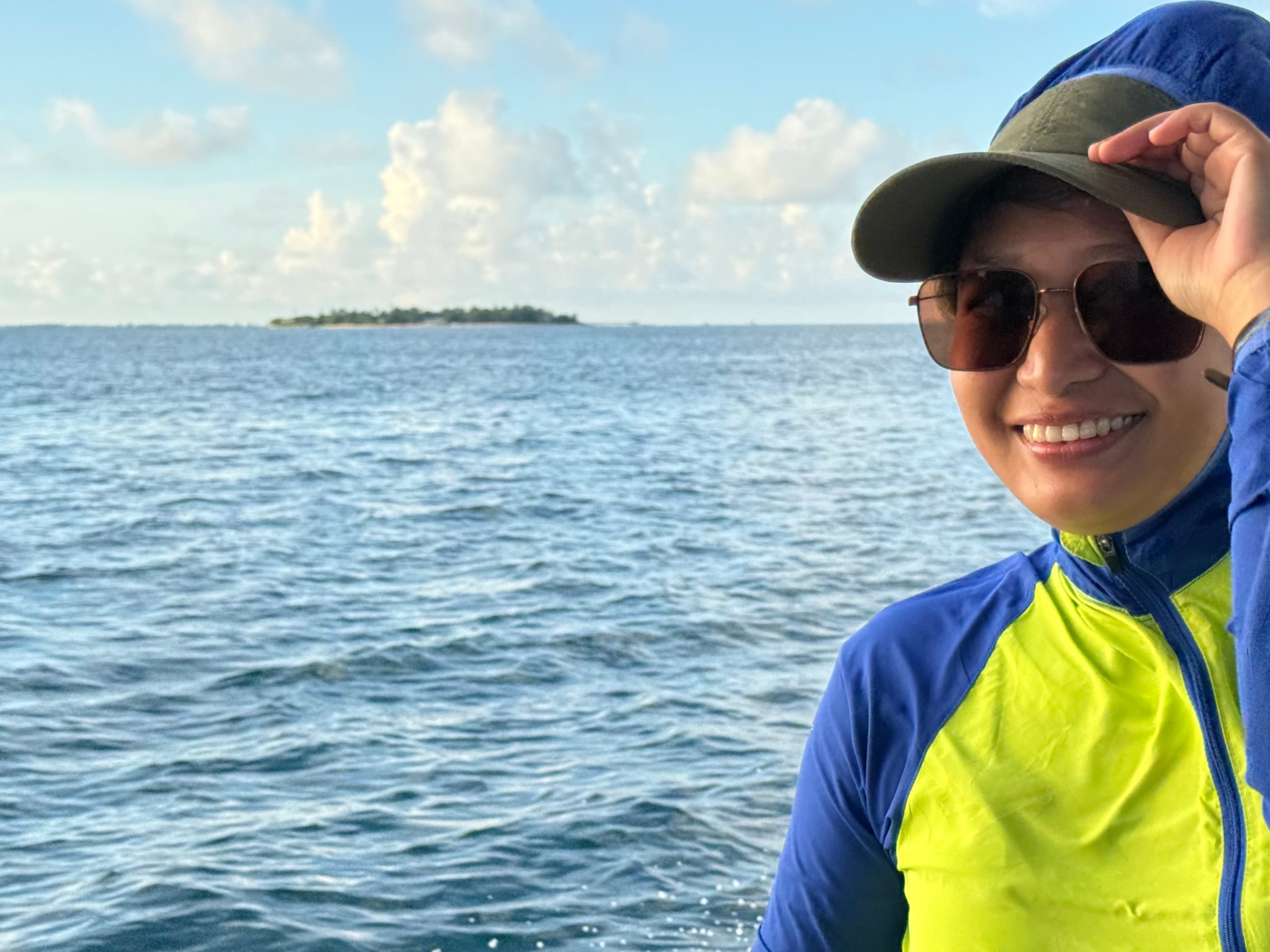
For many people, the ocean is a distant horizon. For Aljen Becera, it is both a workplace and a source of purpose. Drawn to its scale and generosity, she sees the ocean as a living force—one that shapes the livelihoods of the coastal communities she serves and continues to inspire her every day. Living and working in communities across Palawan, Philippines, she has witnessed how deeply people rely on healthy marine ecosystems for food, income, and stability. Fisheries, tourism, and small enterprises in coastal areas all depend on the wellbeing of the sea.
“Every dive or field visit feels like discovering something new,” she reflects. “It reminds me of how interconnected nature and people truly are.”
Coordinating Where Community and Conservation Meet
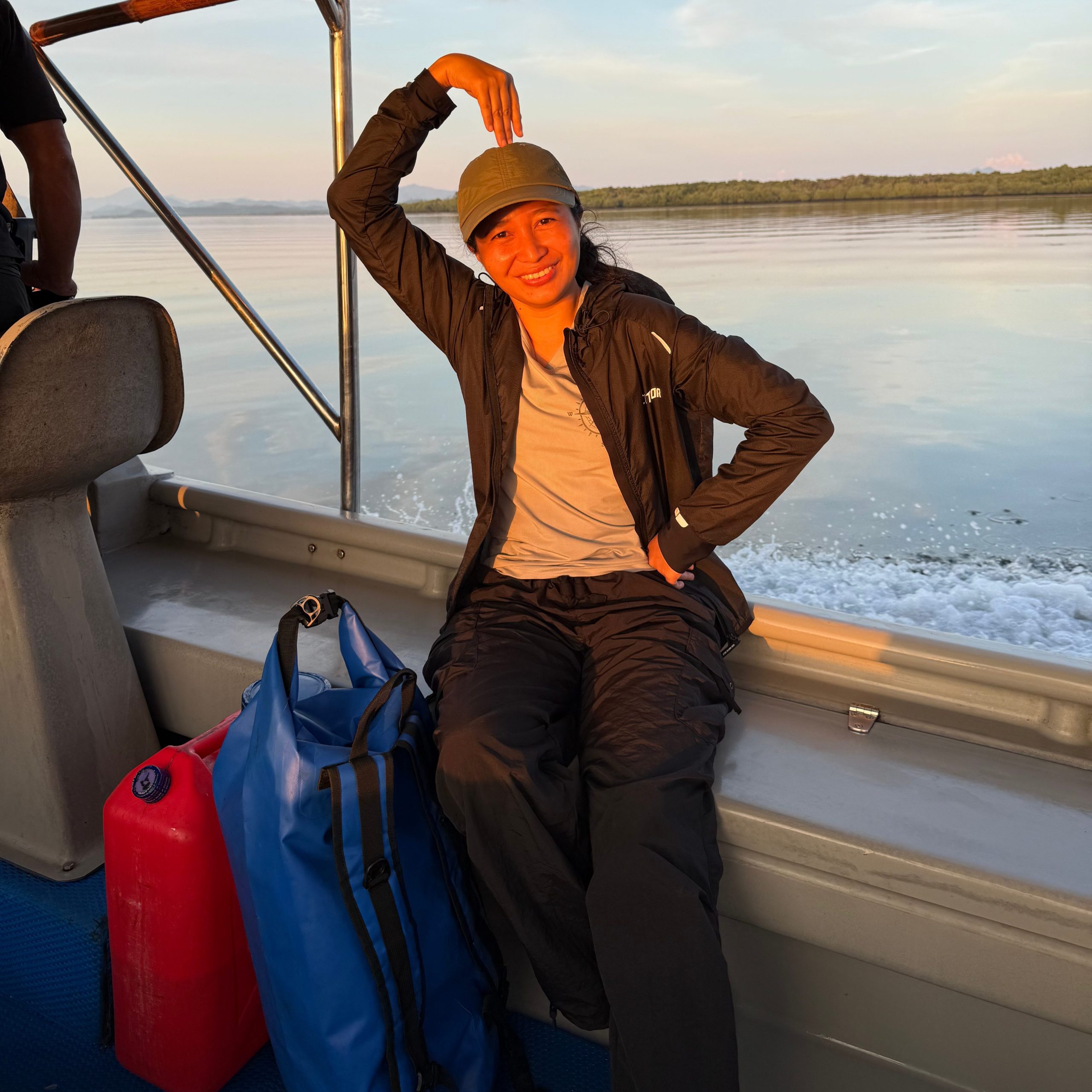
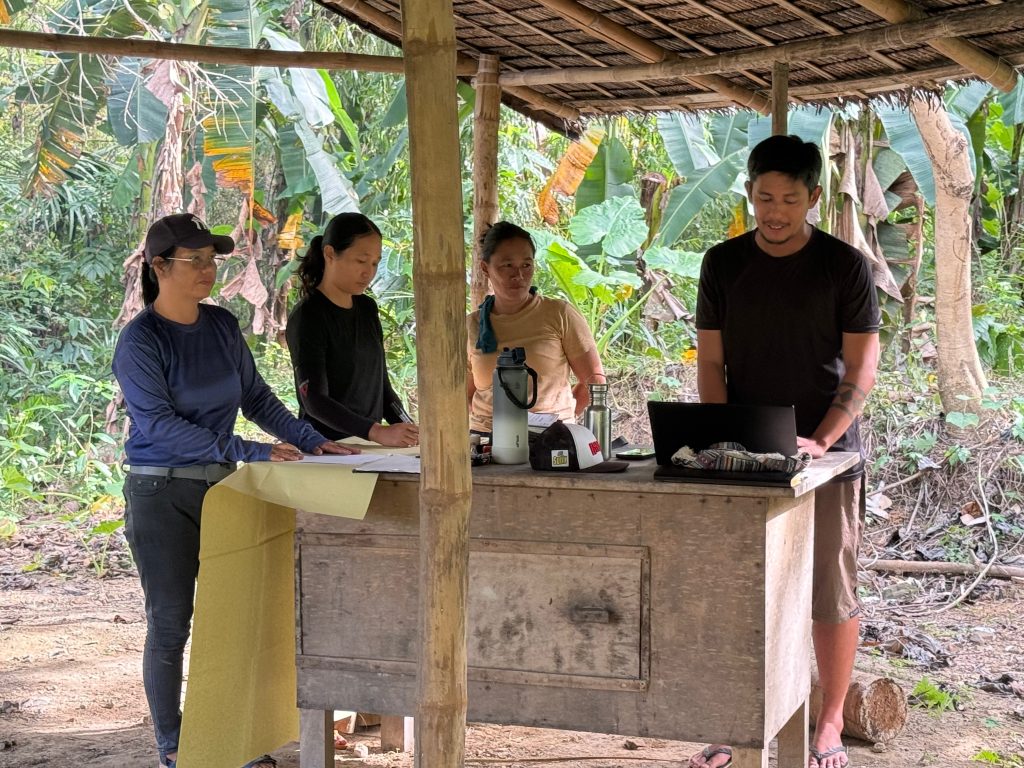
As a Project Local Coordinator at Blue Alliance, Aljen works where conservation and community needs overlap. She leads partner engagements, organises site visits, and supports research activities, helping ensure that projects stay aligned and grounded in the realities of the people who depend on the ocean.
Much of her role centres on building trust and supporting community-led initiatives, from sustainable livelihood development to strengthening people’s organisations. Her practical, people‑focused approach is underpinned by years of experience in biodiversity and protected area management.

A Day in the Field—and Beyond
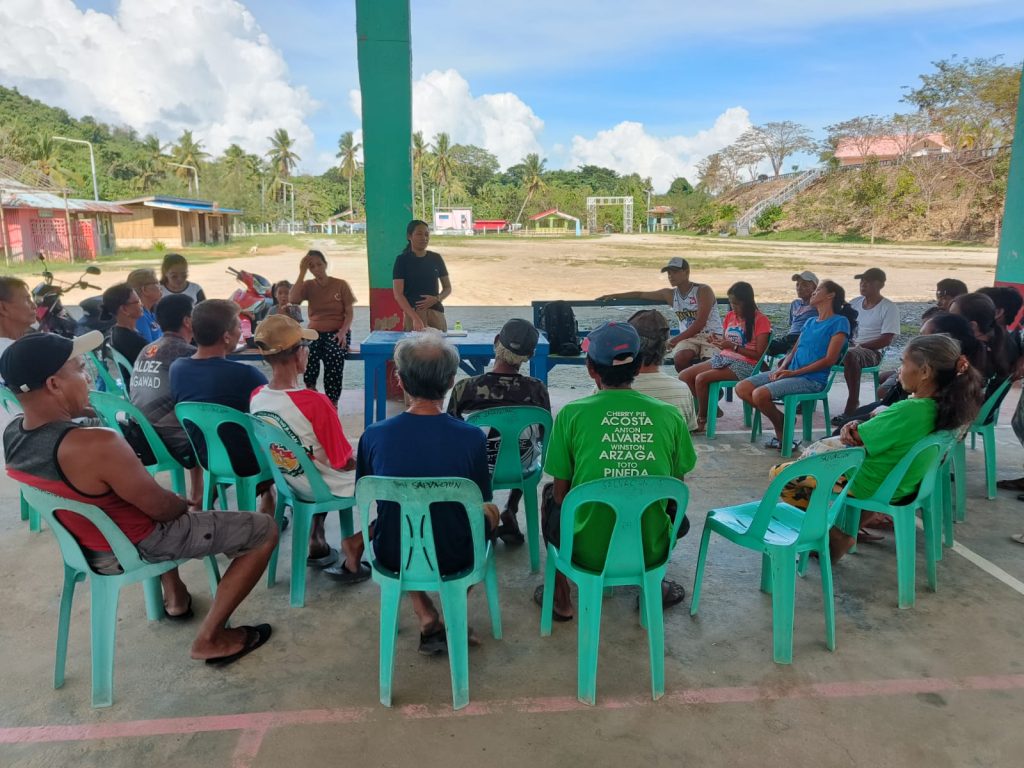
No two days look the same for Aljen. Some mornings are spent responding to messages, coordinating logistics, or attending meetings. Other days involve traveling to coastal sites, helping facilitate assessments, or meeting with fishers, community leaders, and partner organisations. Whatever the task, Aljen approaches it with diligence and care.
On non‑field days, she turns to documentation and reporting, responsibilities she brings the same level diligence to as her time in the water. Her background in both conservation and tourism has equipped her to stay organised, adaptable, and calm under pressure.
Aljen’s Journey to Project Local Coordinator
Aljen’s path in conservation began at the Department of Environment and Natural Resources, where she supported two protected areas in Northern Palawan. There, she honed skills in communication, coordination, and data management, the foundation that ultimately led her to Blue Alliance.
“I realized I enjoy the coordination side of conservation work,” she says. “Making sure things run smoothly, and that everyone, from partners to communities, is aligned.”
This clarity guided her into her current role, where she continues to grow, ensuring all stakeholders are supported and heard.
Challenges That Shape Her Work
Like many working closely with coastal communities, Aljen has encountered moments of hesitation and reluctance, often rooted in past experiences. Some fisherfolk have previously joined People’s Organisations that did not succeed, leaving them discouraged and unsure about trying again. Through steady engagement and open conversations, Aljen and the team have been able to rebuild trust and begin organising a new People’s Organisation, creating space for renewed hope and participation.
Communication can also be difficult. Many community members live in areas with limited or no cellphone signal, meaning even simple coordination can take days. Despite these delays, Aljen remains patient and flexible, adapting to the pace of each community.
Another ongoing challenge is identifying livelihood alternatives that are both practical and sustainable. Some fisherfolk rely on practices that, while harmful to marine ecosystems, provide enough income to support their families. Transitioning away from these methods is complex. Aljen works closely with People’s Organisations to explore livelihood options that may not immediately replace income, but can offer meaningful supplemental support especially during lean fishing seasons.
What makes Aljen most proud is watching communities not only participate in conservation, but truly embrace it.
“It’s fulfilling to know we’re not just implementing activities,” she explains. “We’re helping people understand why protecting their resources matters and how it can support their livelihoods.”
Seeing people come together across generations to care for their environment gives her a deep sense of purpose.

Things don’t always go to plan in the field
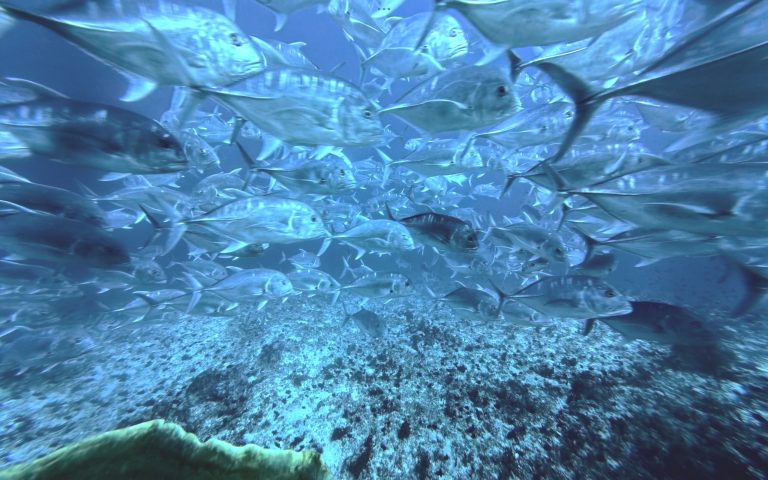
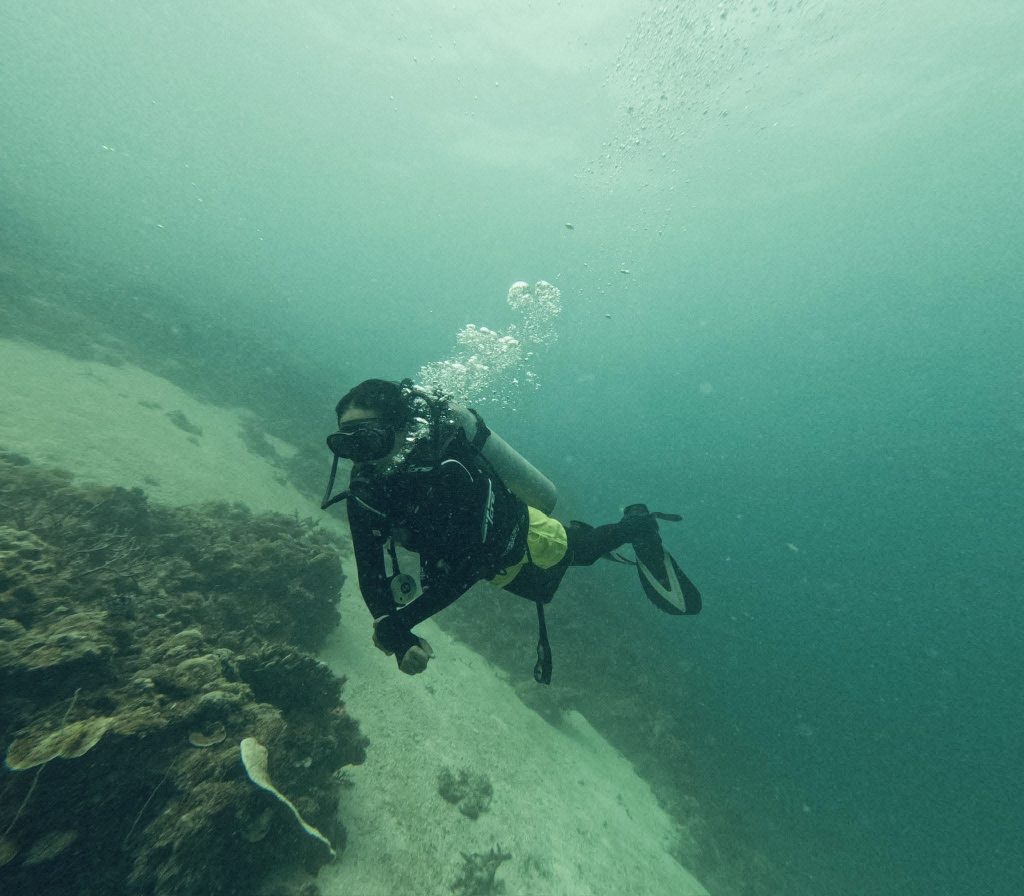
One moment stands out clearly for Aljen. During a biodiversity monitoring expedition, sudden bad weather brought rough seas and long, cold hours on the boat. Despite seasickness, Aljen pushed through and was rewarded with the chance to see thriving reefs and rich marine life. The experience was a reminder that while the work can be demanding, the reason behind it is worth the challenges.
“It made me realize how demanding this work can be,” she says. “But it also strengthened my commitment to conserving our oceans.”

Support, Teamwork, and Resilience
In a field where women often face barriers, Aljen has found strong support. She speaks warmly of the “kuya’s” (a Tagalog term meaning older brother, often used to show respect to older men) she has worked with, talking fondly of the teams that have been respectful, encouraging, and supportive.
As in any workplace, challenges do arise. When this happens, Aljen turns to communication, teamwork, and adaptability. Building and maintaining good relationships with colleagues and communities has helped her navigate difficult moments. And maintaining a positive, resilient mindset keeps her grounded.

The Journey Ahead
Still early in her time with Blue Alliance, Aljen is looking forward to deepening community engagement, gaining more field experience, and contributing to sustainable, long‑term conservation outcomes.
“I’m looking forward to being part of projects that create real, lasting impact,” she says—an outlook that reflects both her dedication and her growing leadership in marine conservation.
“Regenerating the ocean at Scale – For People and Nature.”