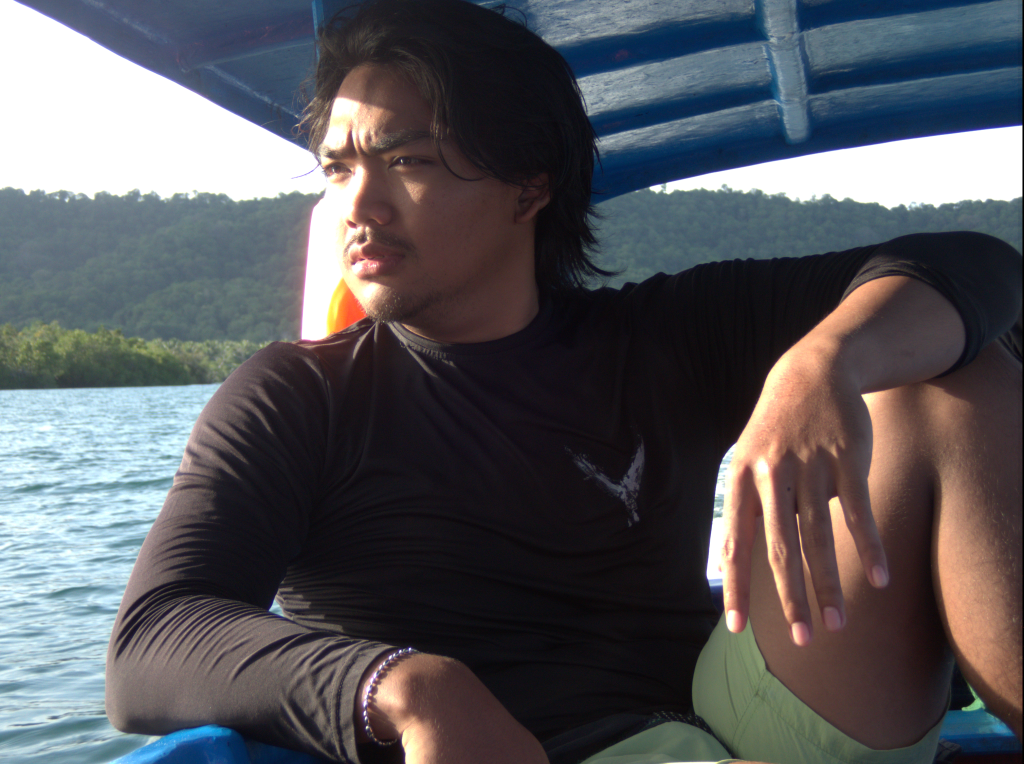
From the moment Gondewa Wisnu (Gon) entered the world, the ocean was already part of his story. Raised in a city far from the shoreline, his first connection to the sea came through a deeply symbolic tradition: his placenta being returned to the ocean. For Gondewa, this marked a lifelong bond that would later shape his work, values, and sense of responsibility.
“I do not just like the ocean,” he says. “I love it.”
The ocean calms him. Its colours and the life beneath the surface soften his emotions and offer comfort. At the same time, its vastness reminds him of his own smallness, instilling humility and respect. To Gon, the sea is not a resource to be claimed, but something created to be shared. Greed, he believes, has no place there.
Today, Gondewa works as a Science Coordinator for Blue Alliance Indonesia. He is currently based in the Tanimbar Marine Protected Area, after previously working in Banggai. His role sits at the intersection of science, conservation, and community, translating data and scientific observation into something tangible for the people who live alongside it.
“This is not about ideology,” Gondewa says. “It is about food security, progress, and knowing that every resource has limits.”
Following Nature’s Clock
Unlike conventional office work, Gondewa’s days are shaped by tides, seasons, moon phases, and visibility beneath the water’s surface.
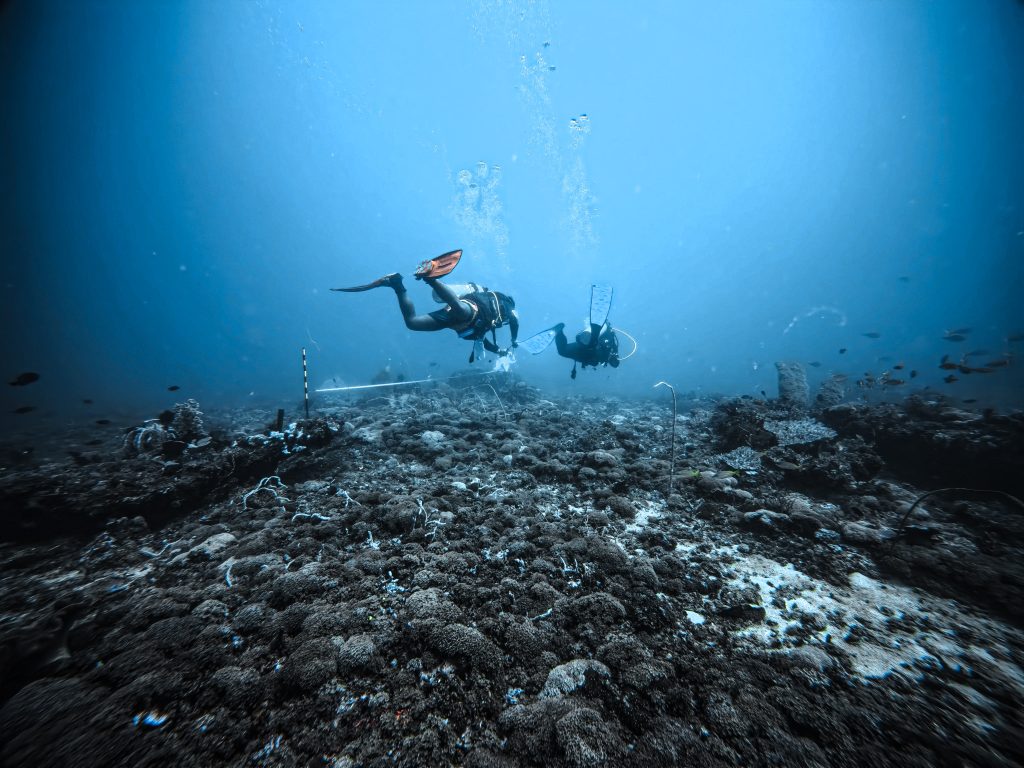
Effective coral reef monitoring depends on clarity and calm seas. Fish spawning aggregation surveys require precise timing and knowing when and where certain species gather to reproduce. Fisheries assessments must align with natural cycles to avoid pushing ecosystems beyond their limits. Even planning community activities requires careful attention to agricultural and fishing seasons, which directly affect when people are available and open to engagement.
“For me, accuracy in science depends on respecting nature’s rhythm,” he says. “Not forcing it to follow ours.”
Listening as Leadership
One of the roles Gondewa is most proud of is not technical, but human: being a good listener.
“I listen to the ocean, and I listen to the people,” he explains. “Then I help them understand each other.”
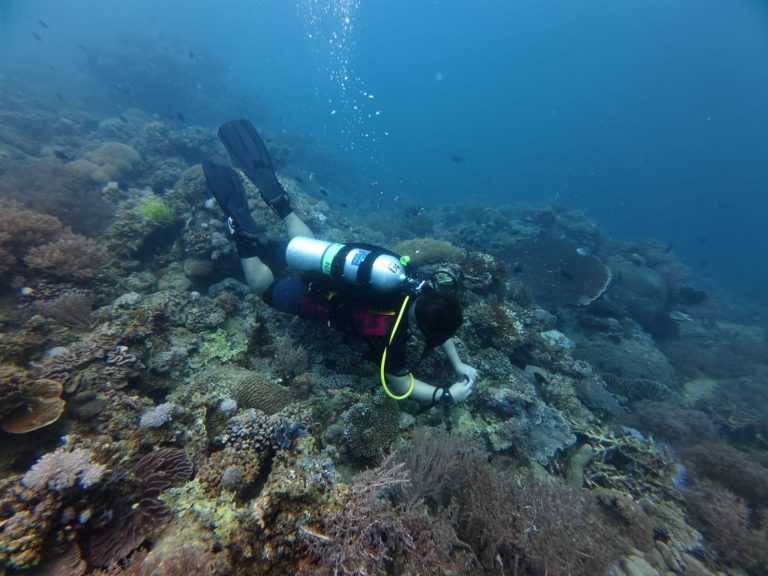
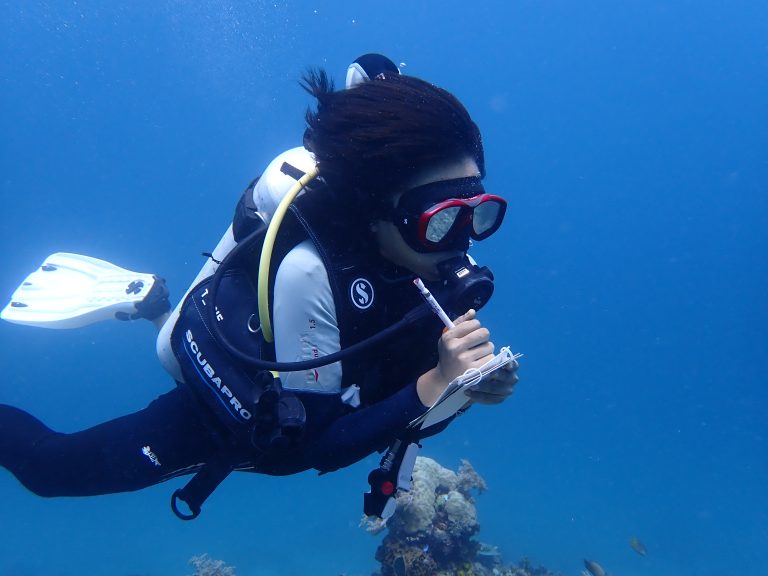
Underwater, he studies reef structures, coral cover, depth gradients, and areas where fish populations are particularly dense. He observes behaviour, species composition, and ecological patterns. Back on land, he brings these observations to local fishers through conversations, confirming them against the fishers’ lived experience.
Through these exchanges, the flow of learning goes both ways. Fishers come to understand what the ocean is showing through data, while science becomes grounded in local, generational knowledge.
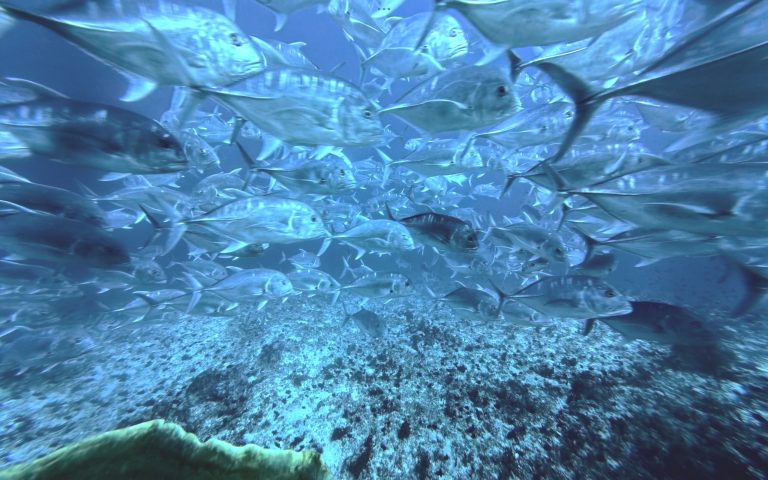
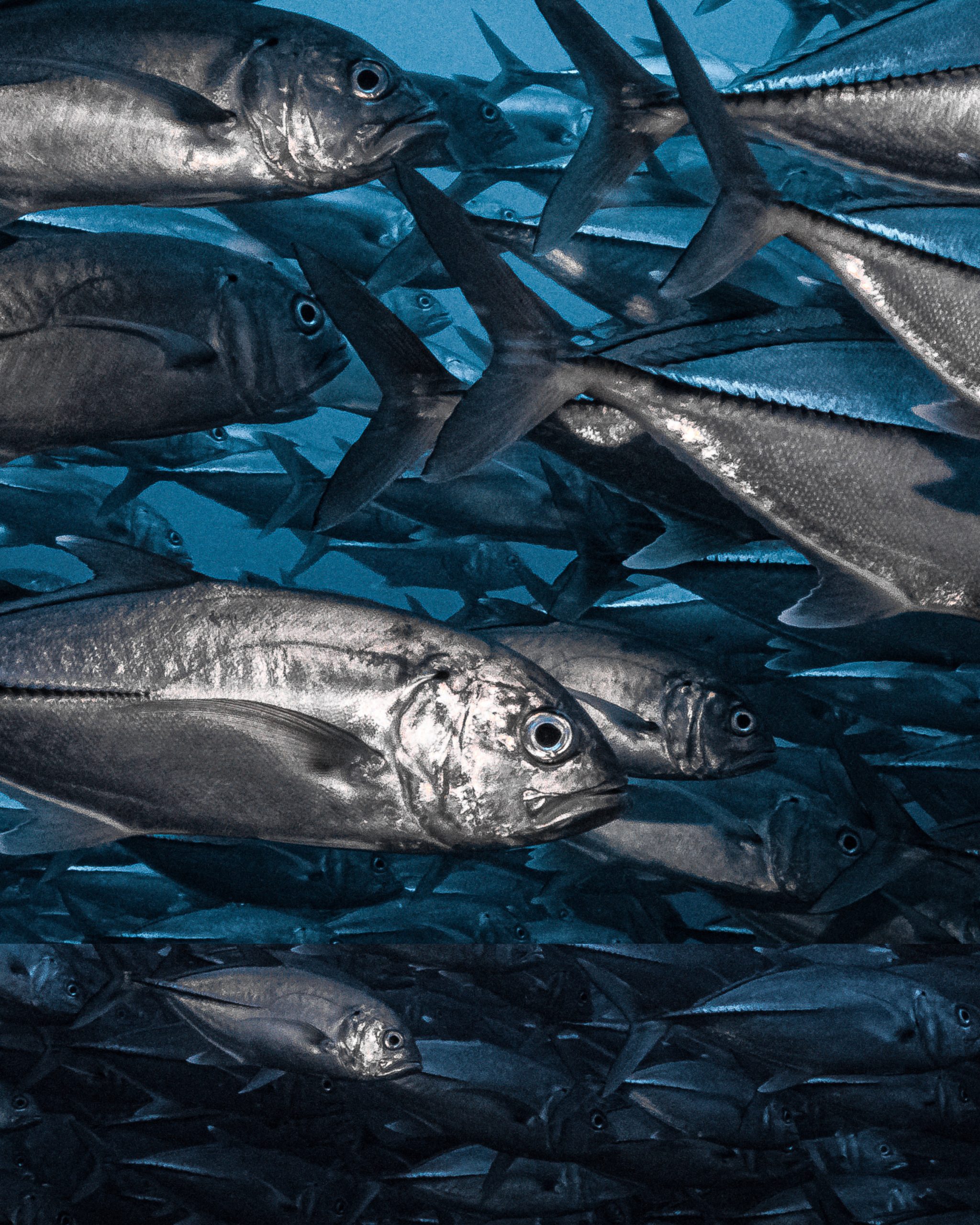
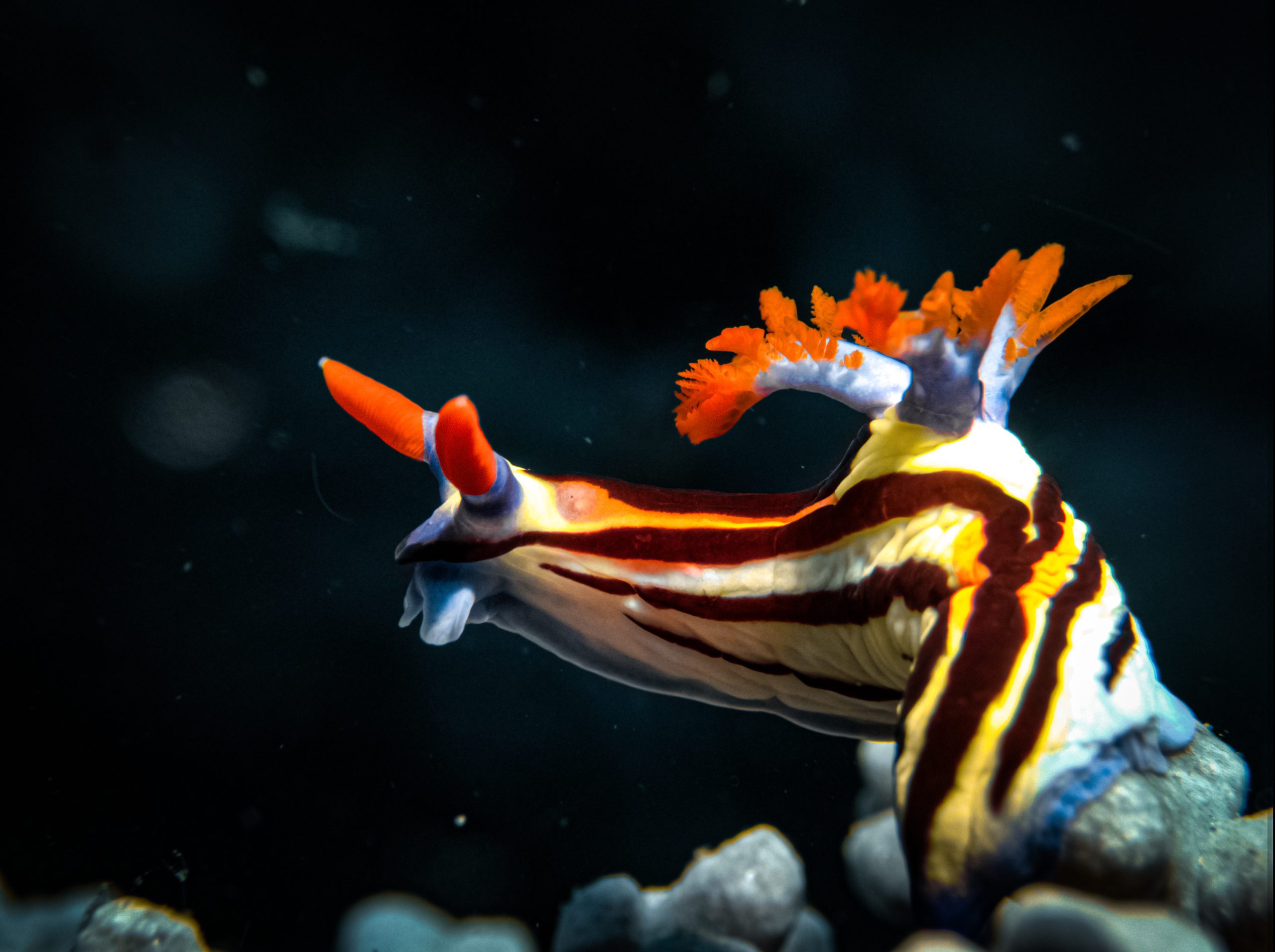
During these discussions, Gon shows pictures and videos of the underwater world to the fishers. Often, they are surprised by what they see.
“Many people have never truly seen the beauty beneath their own ocean,” Gondewa says.
Showing them the colours of coral reefs and the abundance of life below the surface can transform how they see their home and their role in protecting it.

Protecting Turtles, Building Trust
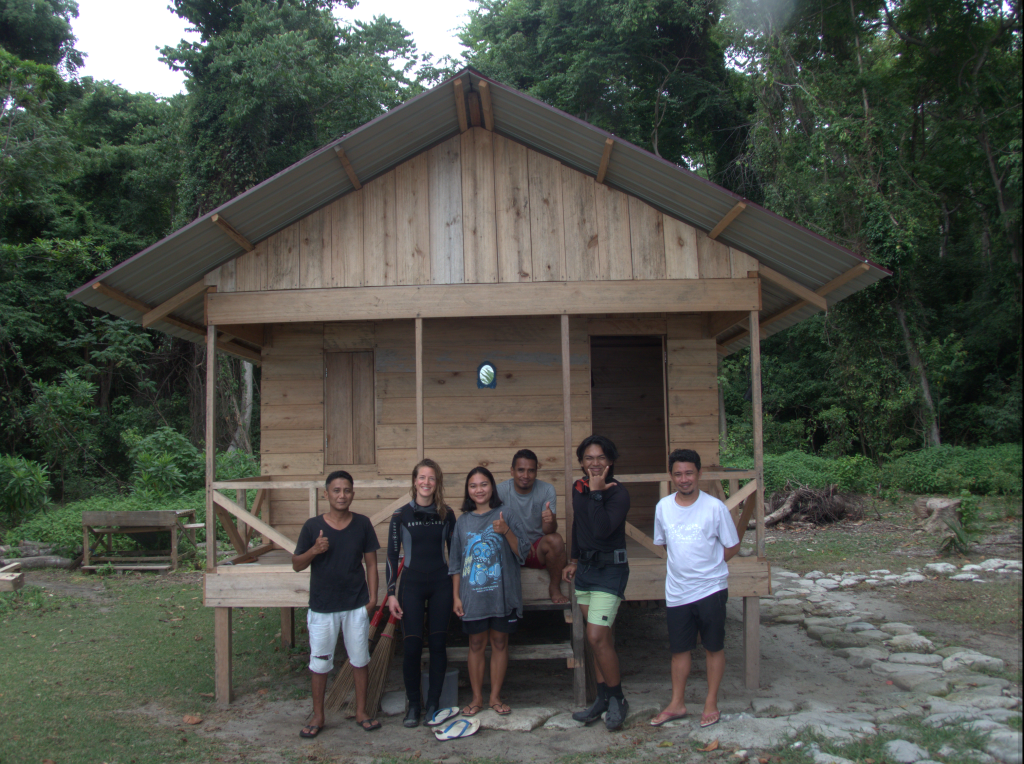
One of Gondewa’s most demanding experiences came through a sea turtle conservation project undertaken with an international intern, Corinna Lange. The work had to be completed within a short internship period while operating within the narrow and inflexible timing of turtle nesting season.
With only a basic understanding of the area, the team began by rapidly surveying almost every beach within the Marine Protected Area. Surveys were conducted during the day to assess beach characteristics and at night to observe nesting activity, combined with interviews in nearby villages. The work was physically intense and logistically challenging, even including traversing swamp areas where a saltwater crocodile was encountered!
The findings of all this preliminary work consistently pointed to one site: a beach in a village where turtles nested, but where eggs and meat were still being poached.
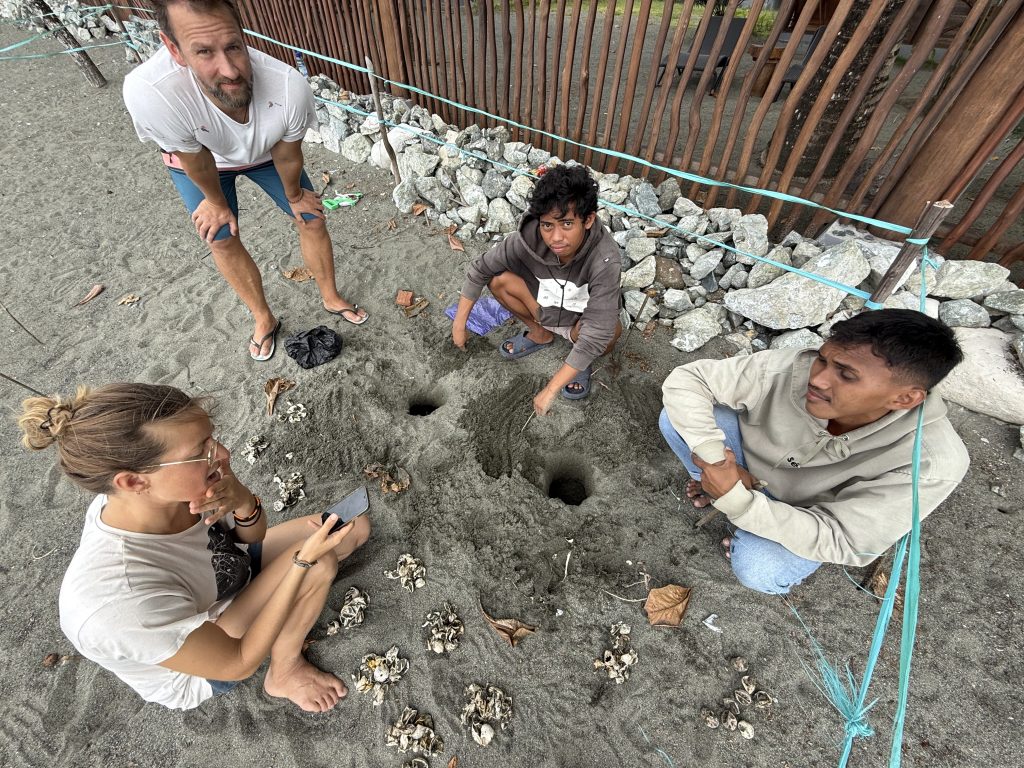
Rather than shying away from the challenges this site would bring, the team concentrated their work there. Two young men from the village, both former egg poachers, were recruited and trained as turtle rangers. Their role was to patrol a three‑kilometre stretch of beach, protect nesting turtles, and relocate eggs to a secure hatchery site. Patrols were conducted nightly and often became a race against poachers. Despite regular coverage, several nests were unfortunately lost, but the team focused on maximizing protection within the constraints they faced.
Permits for legal nest management were secured through the Fisheries and Marine Affairs Office, and a small, low‑impact hatchery was established on the main village beach. The structure was deliberately simple and unobtrusive, expanding gradually as more nests were relocated. By the end of the project, all 16 relocated nests were successfully protected, with a hatchling survival rate of approximately 95%. A challenging experience that yielding amazing results!
A Shared Ocean, A Shared Future
What Gondewa hopes people carry forward is a simple truth: the ocean’s vastness exists to be shared, and its power lies in unity.
“A small measure of greed can damage that greatness,” he reflects. “Because, in truth, we are already connected. It is only land and mountains that separate us.”
This year, Gon has transferred to a new area, Tanimbar where he plans to continue listening, translating the ocean’s voice, so people and nature can meet, understand one another, and move forward together.
“Regenerating the ocean at Scale – For People and Nature.”