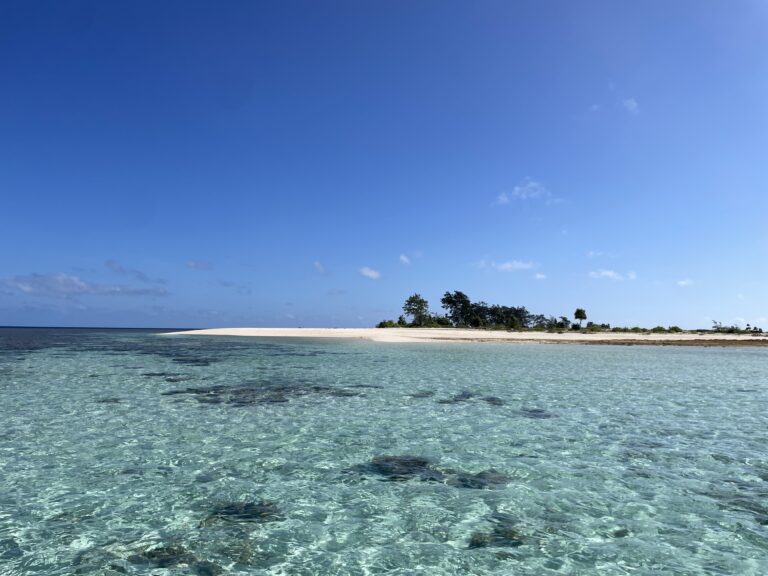
Haji Ali Juma grew up in a coastal community on Pemba Island. As a young man, he became a fisherman, spending long days at sea casting nets and hauling in his catch. Out on the water, he learned to read the currents, the wind, and the subtle signs that point to where fish can be found. This was the start of Haji’s deep love and understanding of the rhythms of the ocean. Even then, the ocean felt like more than a source of income for Haji, he viewed it as a living system whose health shaped the wellbeing of the coastal community of Pemba, his home.
Today, Haji protects the same waters he once fished. He now leads the Science Field Team for Blue Alliance in the Pemba Channel Conservation Area, monitoring reef health, assessing threats and supporting conservation efforts across Pemba’s marine ecosystems.
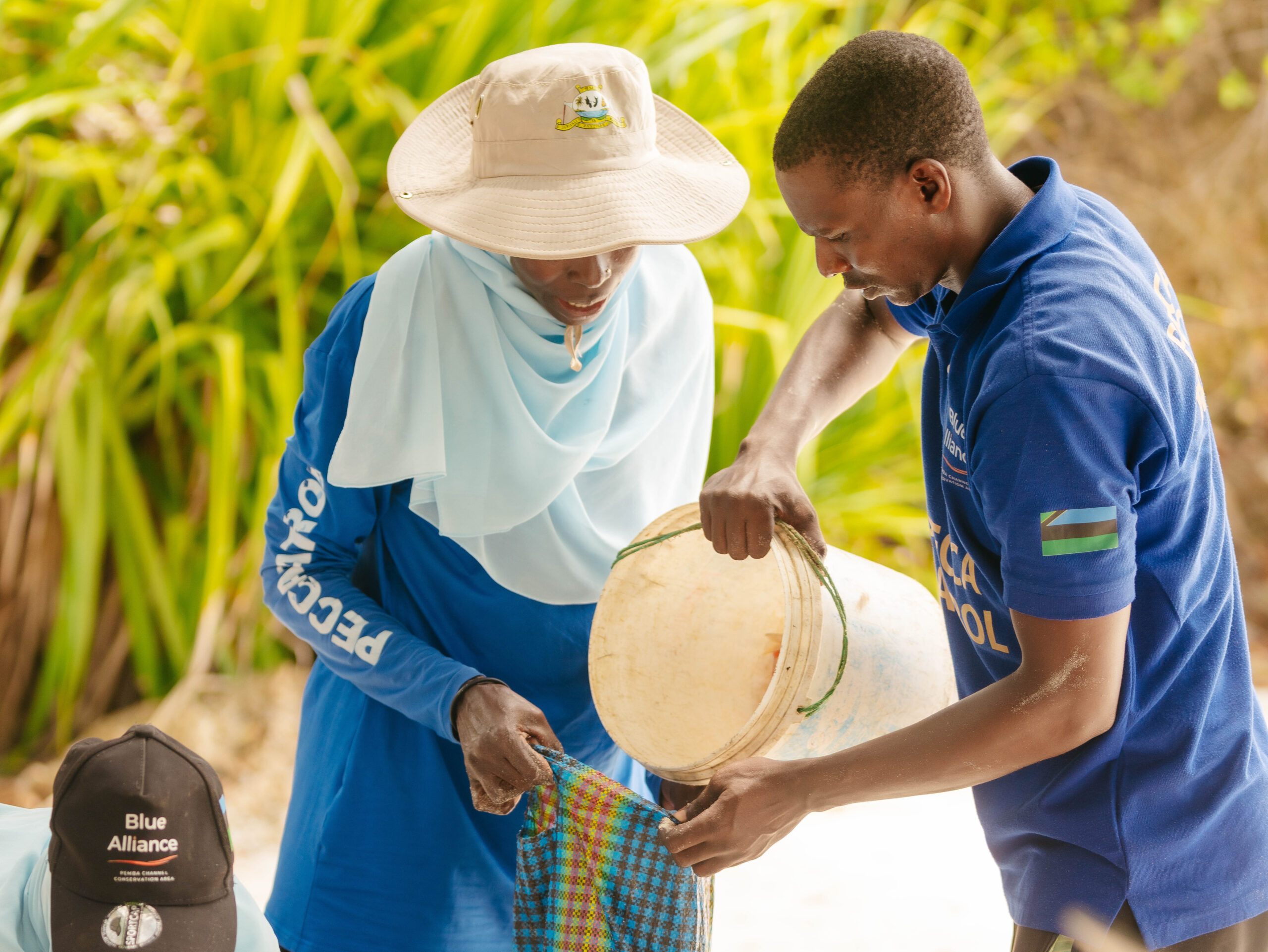
A Deep Respect for Coral Reefs
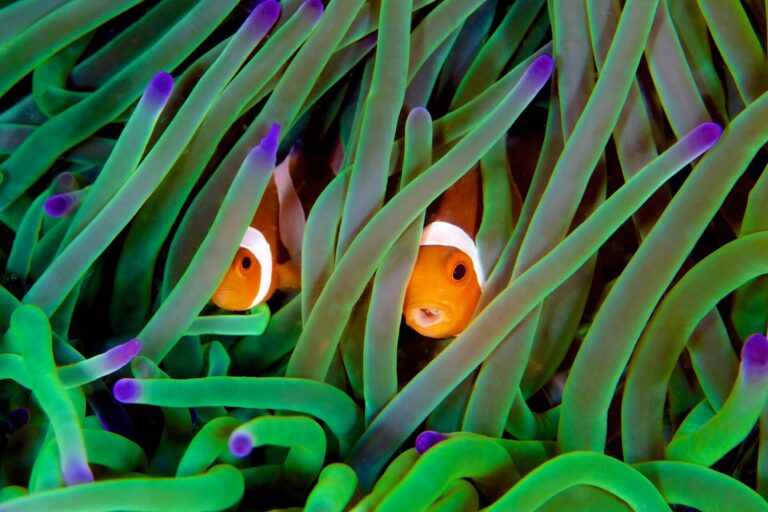
Haji’s connection to the ocean is rooted in the habitats he considers its foundation: coral reefs. This ecosystem, he explains, underpins productivity and biodiversity by providing food, shelter, and nursery grounds for fish. Without it, marine life and the communities who depend on it would face severe decline.
To Haji, healthy reefs are what give the ocean its vibrancy. Years spent fishing gave him an instinctive understanding of this connection. Now, science has given him new tools to measure and protect it.
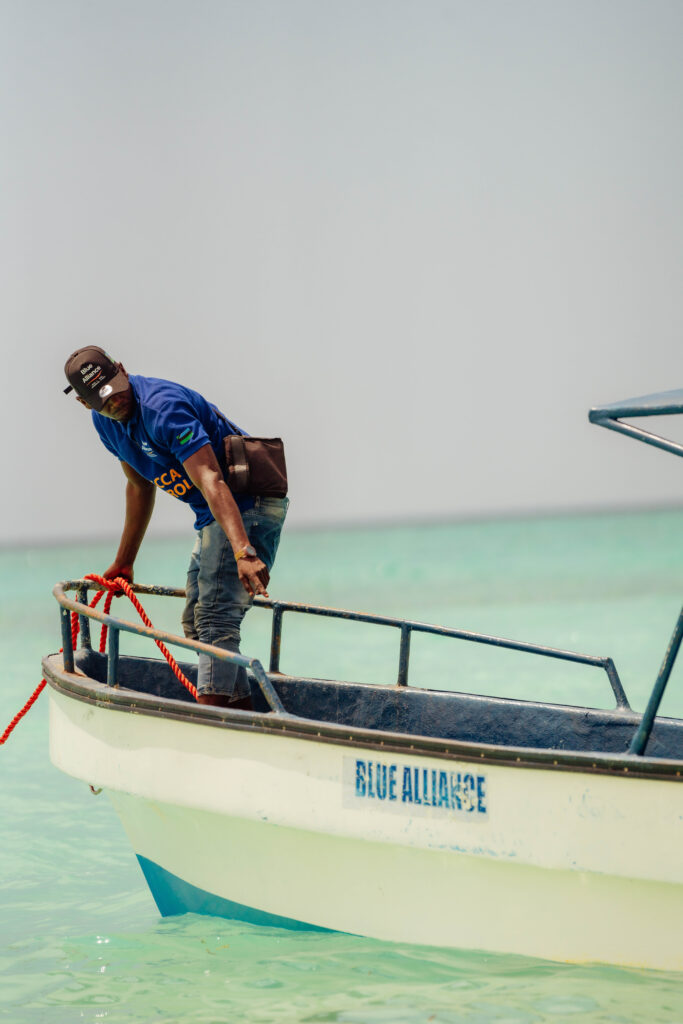
Career transitions
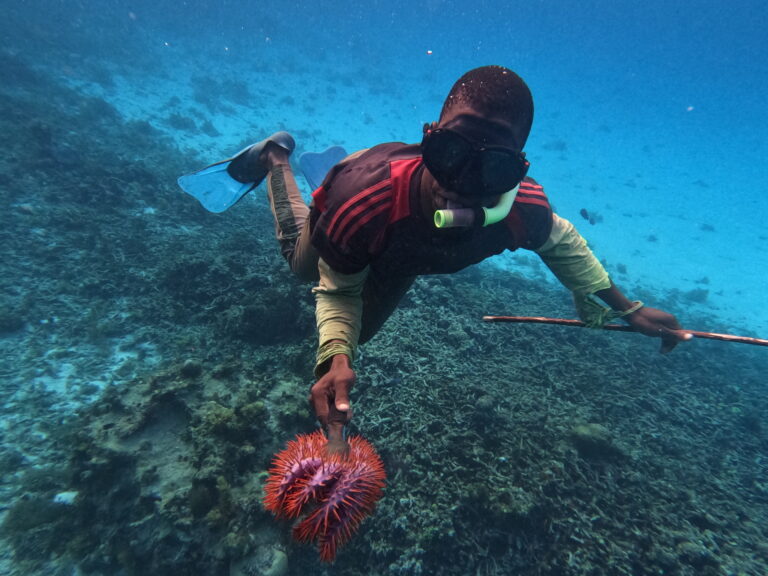
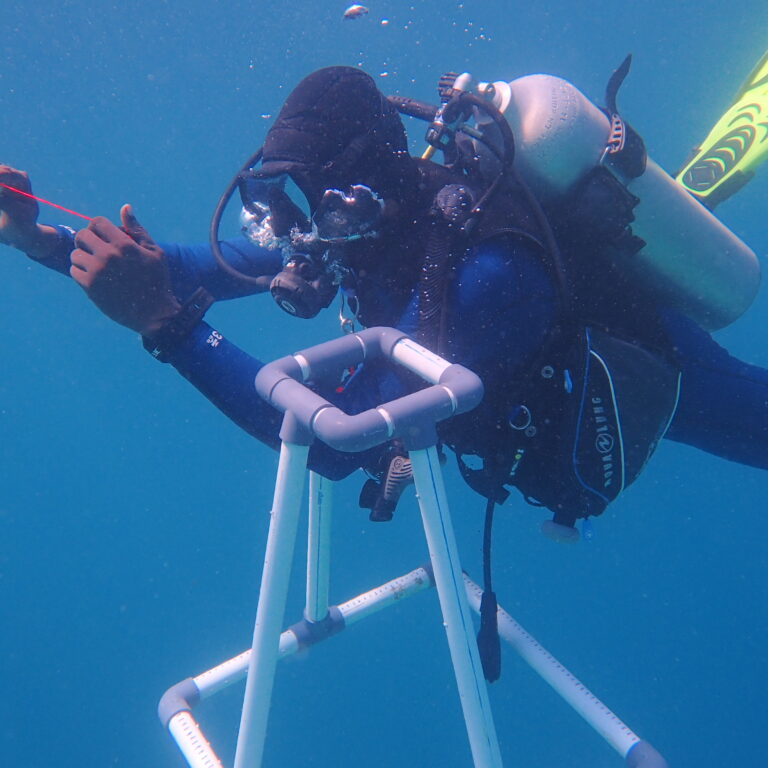
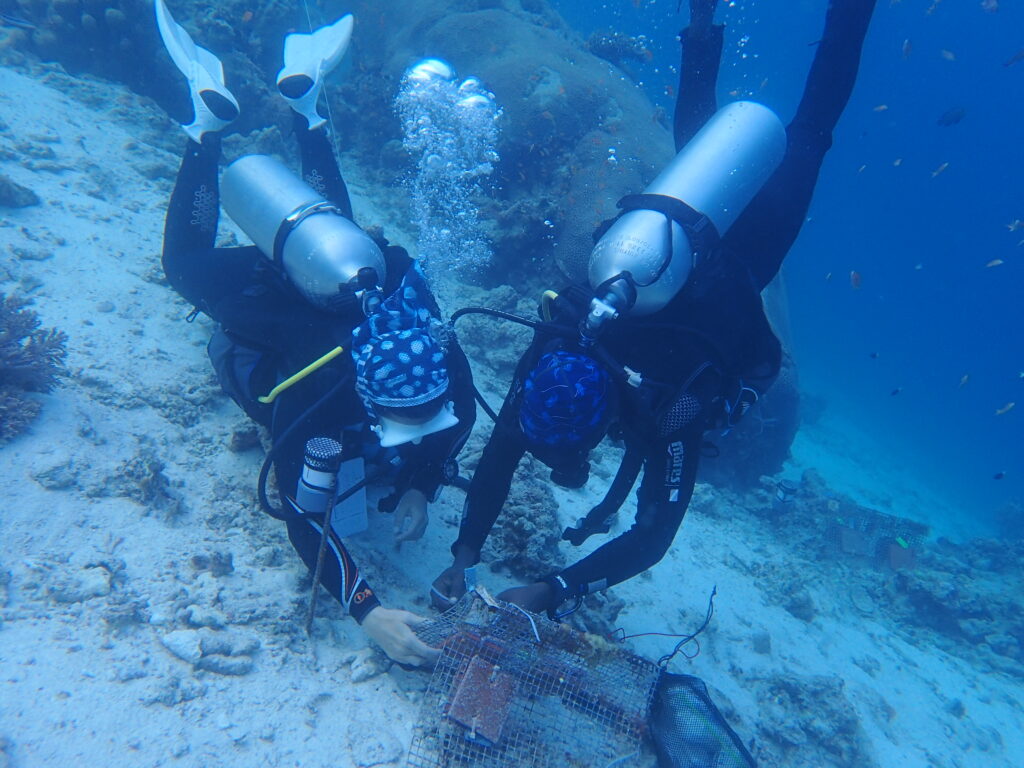
Haji joined Blue Alliance as a ranger, patrolling protected areas and supporting enforcement efforts. His experience at sea, strong swimming ability and deep local knowledge quickly made him an asset to the team. He began assisting the Science team with Crown-of-Thorns Starfish (COTS) monitoring, snorkel-based reef surveys, and turtle conservation work. Eager to grow, he undertook dive training and scientific monitoring courses, building the technical skills to complement his lived experience.
Step by step, he transitioned into the role of Science Officer, a milestone he describes as one of the proudest achievements of his career.

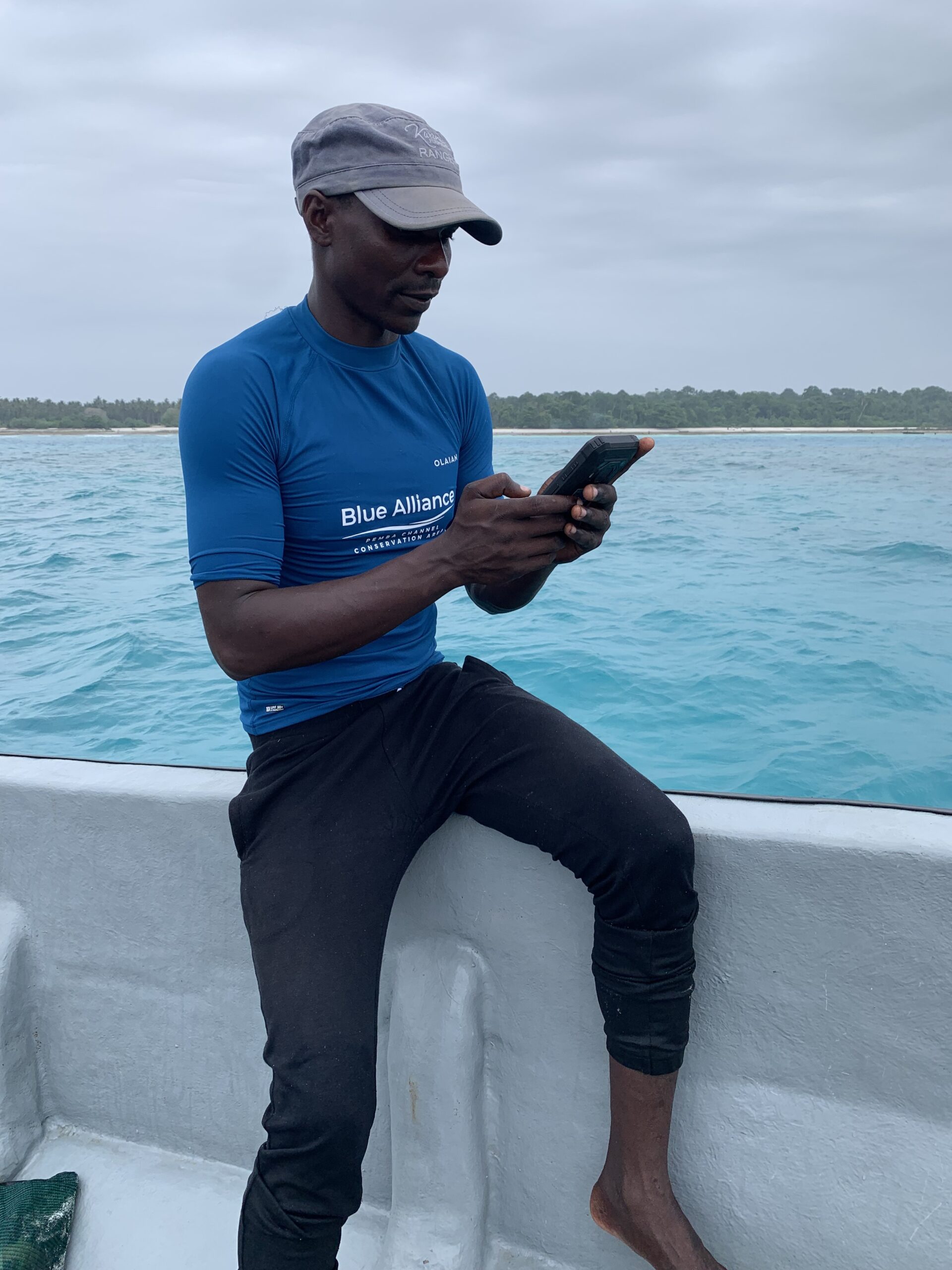
A Day in the Field
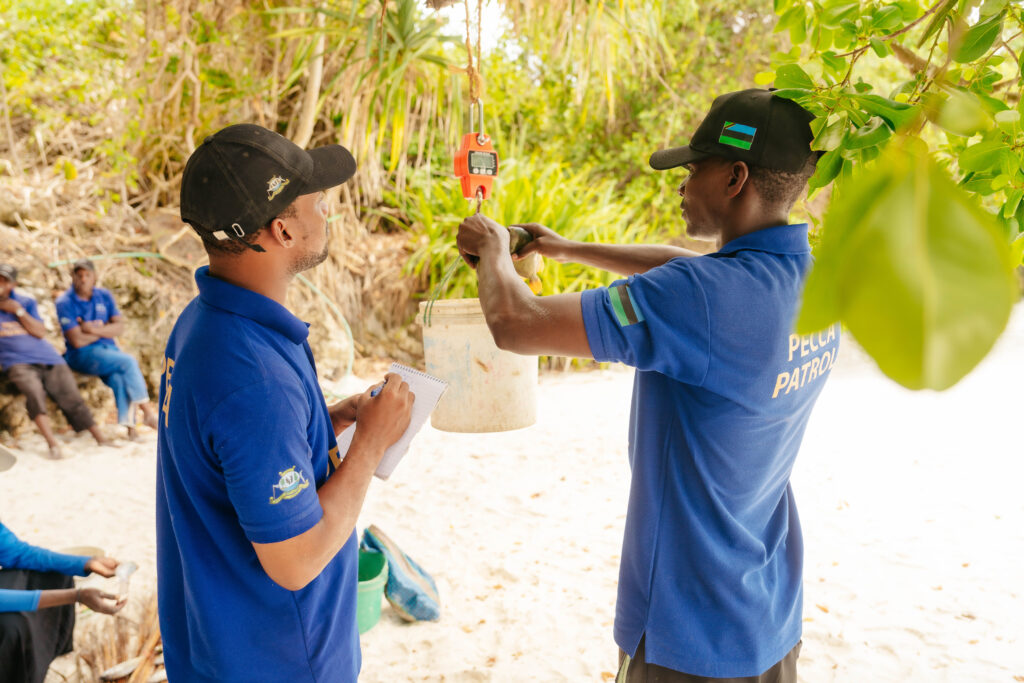
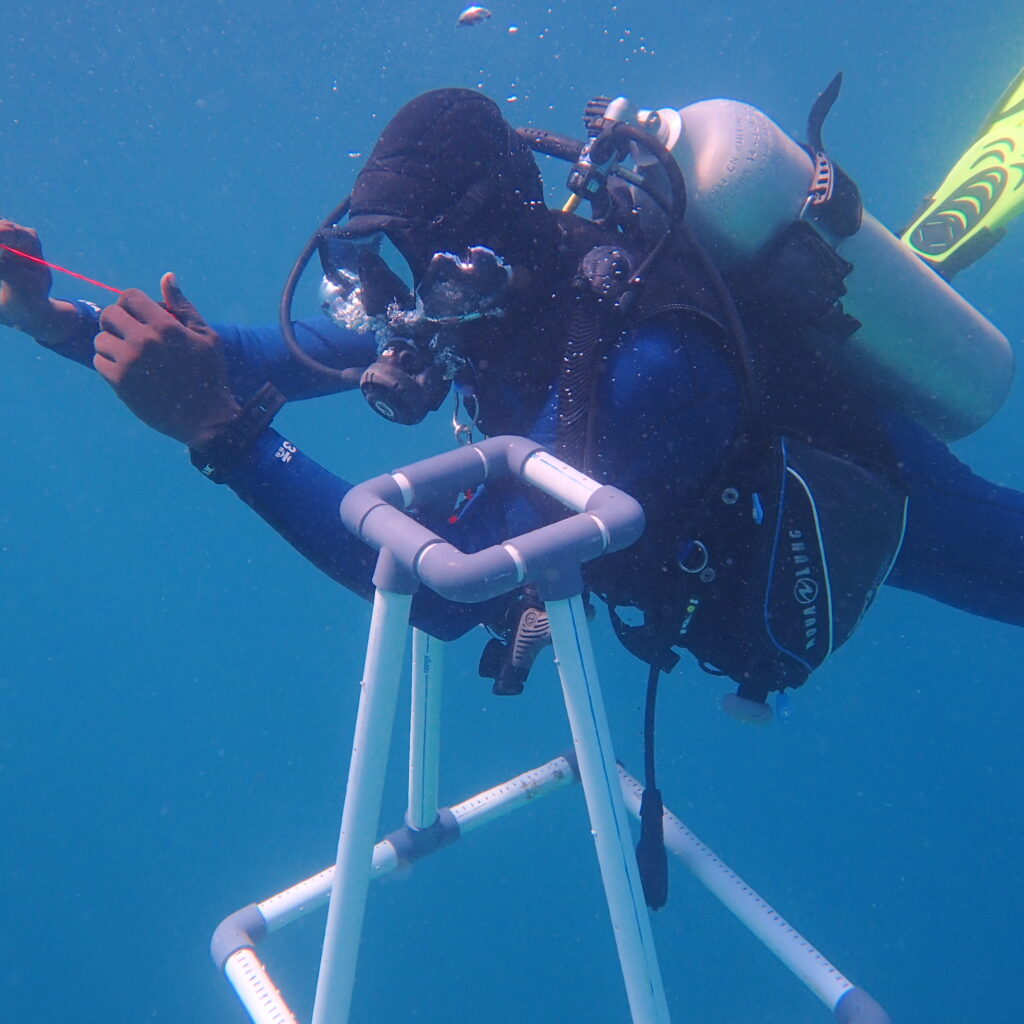
Field days start early. Equipment is checked and rechecked. Dive plans are reviewed. Conditions are assessed. Some days Haji surveys coral cover along transects. On others, he relocates vulnerable turtle nests to safer ground or counts and sizes fishes to track fish biomass. Every activity blends science, fieldwork, and conservation action with the overarching goal of generating reliable data to inform effective management.
The work can be physically demanding. Diving requires discipline and strict safety procedures. But for Haji, the purpose behind the work keeps him motivated.
“From the moment I start work until I finish, I feel proud,” he says. “I know I am contributing to protecting the ocean.”

Pride in Diving and Ocean Science
Among the many aspects of his work, Haji is especially proud of his development as a diver and marine science practitioner. Diving has allowed him to witness marine life and reef dynamics first‑hand, experiences that reinforce the importance of conservation.
For Haji, one moment stands out: encountering the largest Napoleon fish he had ever seen. For Haji, it was a reminder of what healthy ecosystems can still support when they are protected.
Looking Ahead
Haji’s journey is still unfolding. In 2026, he aims to complete PADI Rescue Diver (he’s already completed the pre-requisite Emergency First Response) and work toward becoming a Dive Master, then Instructor. Strengthening his technical expertise will allow him to contribute even more to reef monitoring, marine protection and to training others, interested in marine conservation
As someone who has lived both sides of the story, from fishing the reef to now protecting it, Haji bridges conservation science and community. He understands the situation from both sides – and that makes his knowledge, invaluable.
This is more than just the story of a career transition; it is about deep connection to an ecosystem. Haji is a man shaped by the sea, now working to ensure that the ocean that has sustained him, can continue to sustain generations to come.
Regenerating the ocean at scale — for people and nature.
“Regenerating the ocean at Scale – For People and Nature.”