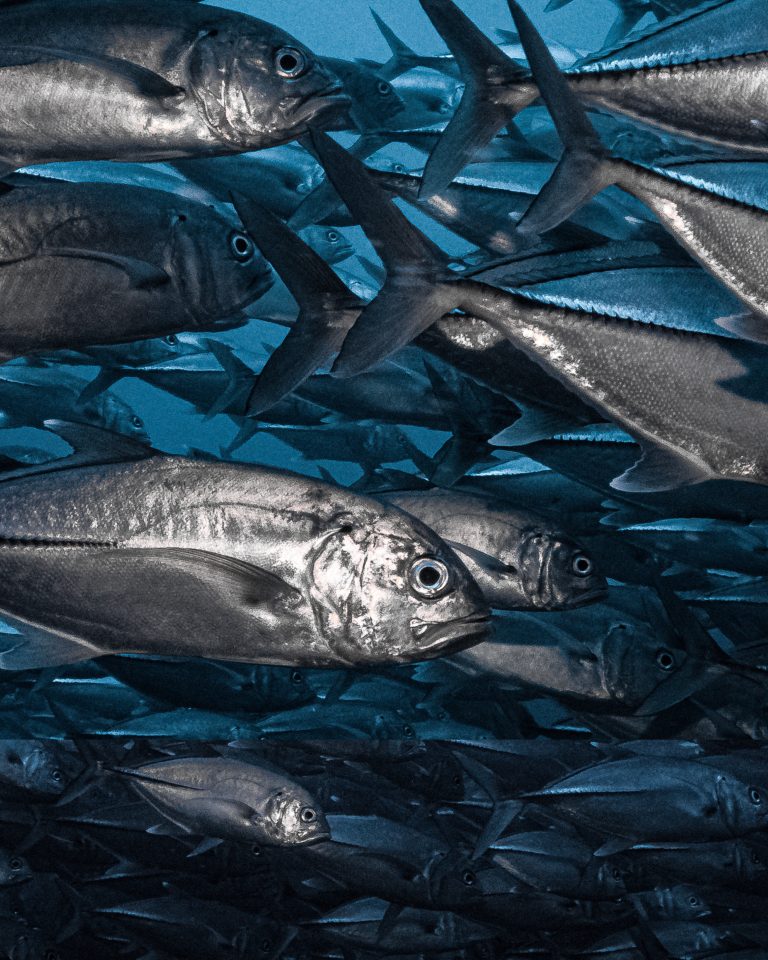
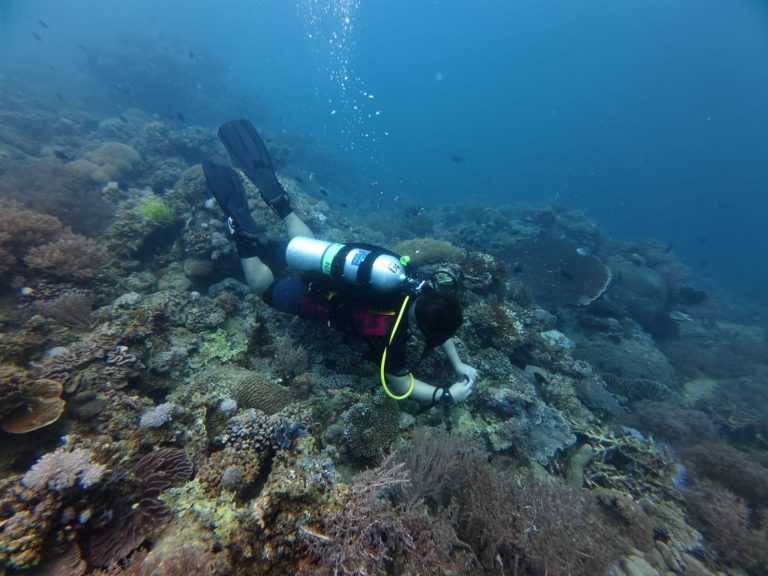
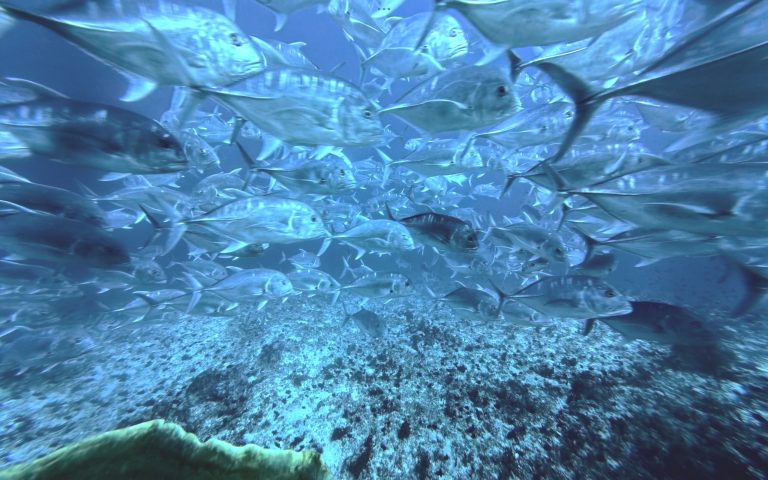
The Palawan Archipelago, often called the Philippines’ last ecological frontier, is part of the 50 Reefs Initiative, recognising it as one of the areas most likely to withstand climate change and help regenerate neighbouring reefs. Its coral reefs are home to 379 species of corals and over 1,000 species of reef fish. Seagrass meadows and mangrove forests provide crucial nurseries for countless species. These vibrant ecosystems support both nature and the coastal communities who depend on them. This is what Eduardo Bolen is working to protect.
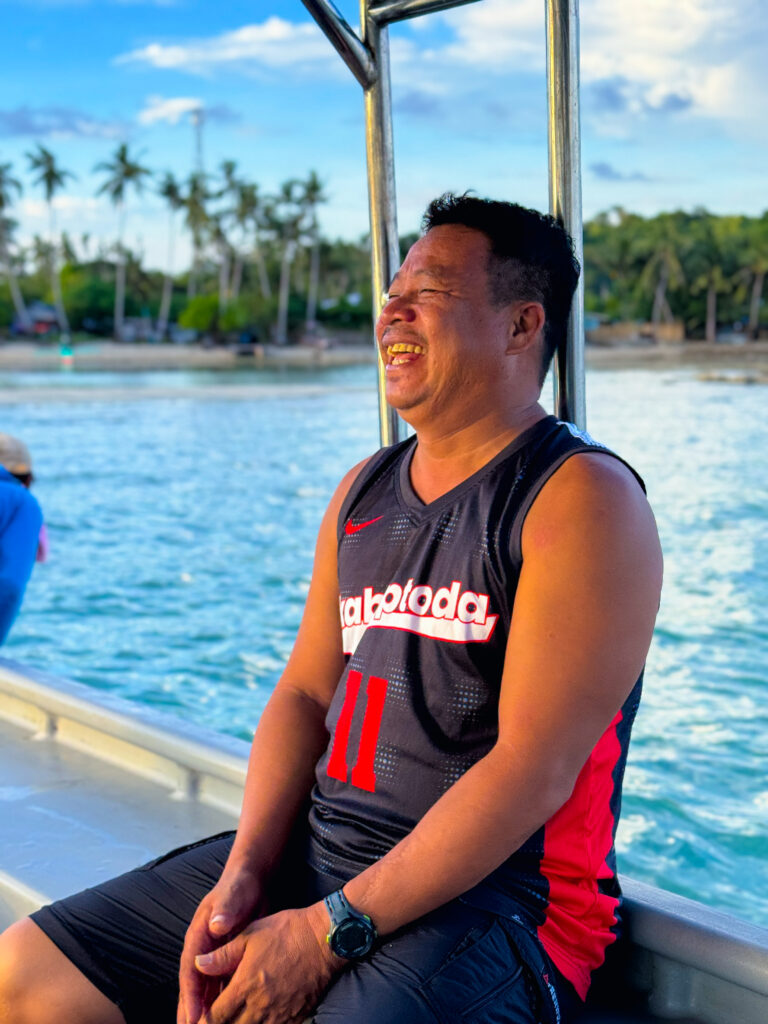

For Eduardo Bolen, Northern Palawan Enforcement Coordinator for Blue Alliance, patrolling these waters is more than just work, it is a way of life. Standing at the bow of a patrol boat, listening for distant engines and scanning for drifting nets, he is doing what he has dedicated much of his life to: protecting the ocean that sustains his home and the future of the people who depend on it.
A Life Spent Protecting Northern Palawan
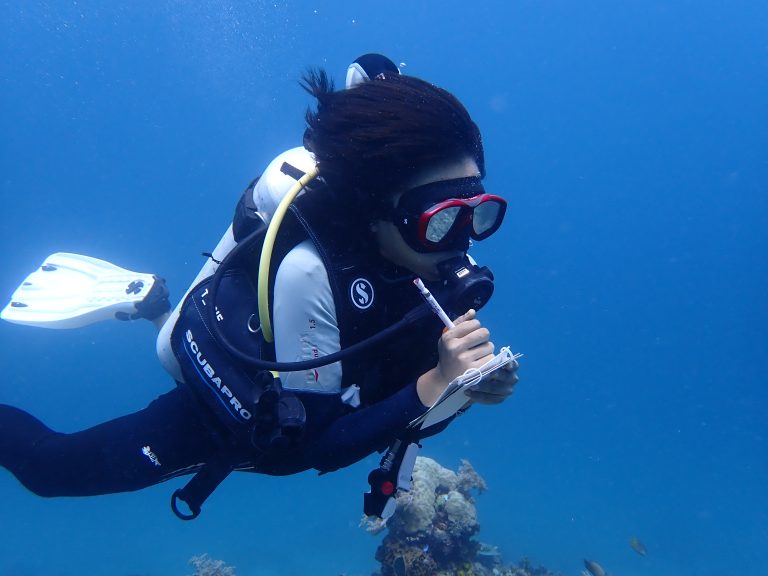
Eduardo Bolen has spent decades working in marine conservation. Before joining Blue Alliance, he collaborated with international conservation NGOs, taking part in biological surveys that would eventually result the creation of Araceli’s marine protected areas (MPAs).
Back then, enforcement was not his responsibility and his work focused on science, community engagement, and understanding how local ecosystems functioned. But as destructive and illegal fishing expanded across Araceli, Bolen saw firsthand that protection on paper was simply not enough. MPAs need active enforcement to be effective.

Protecting Waters Under Pressure
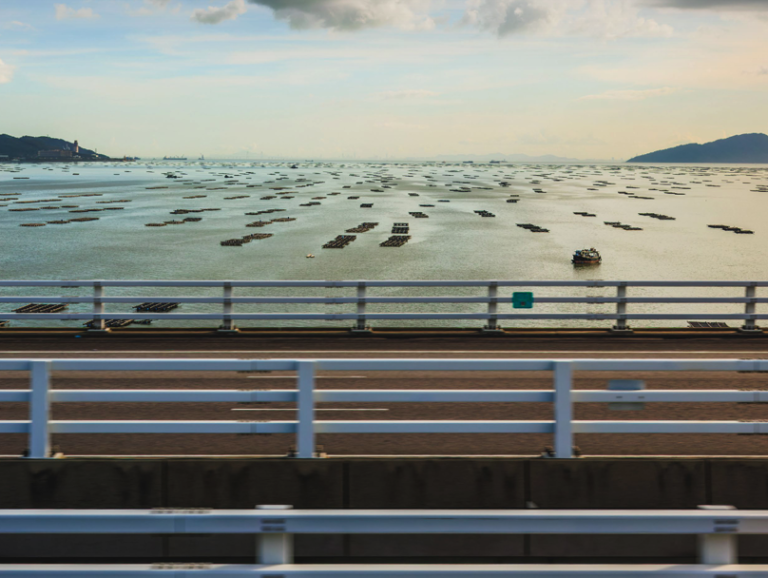
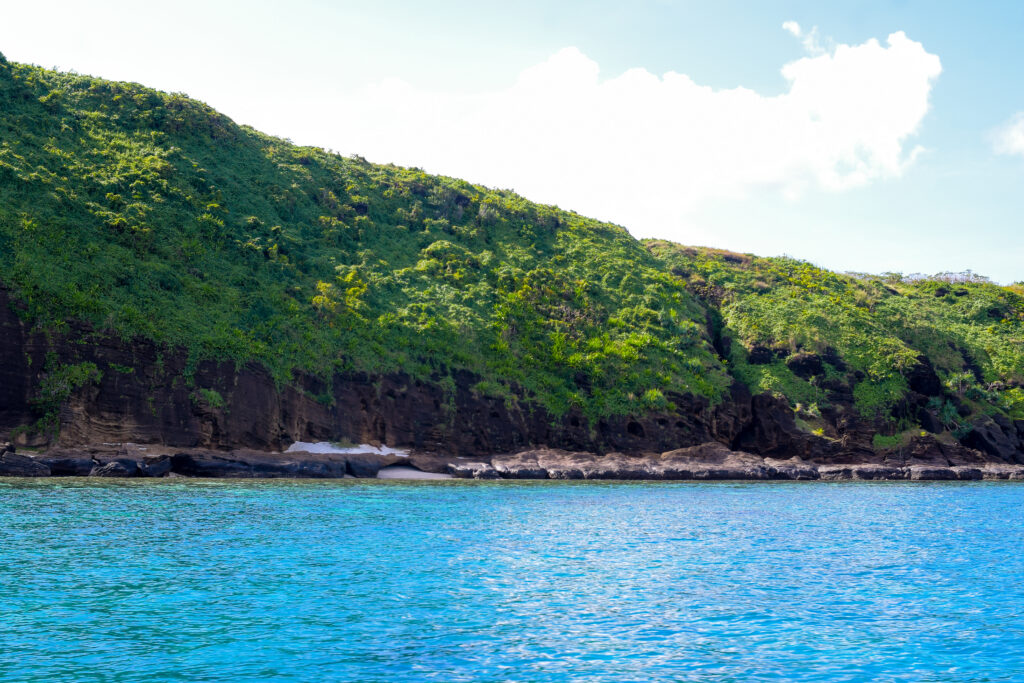
Araceli and the surrounding municipalities sit within one of the Philippines’ most biodiverse seascapes, and its nearshore fisheries form the backbone of local livelihoods. These vibrant waters are under strain, particularly from illegal fishing. Commercial operators sometimes encroach on zones designated for artisanal fishers and destructive practices, like compressor diving or the use of other prohibited gear, harm both people and ecosystems.
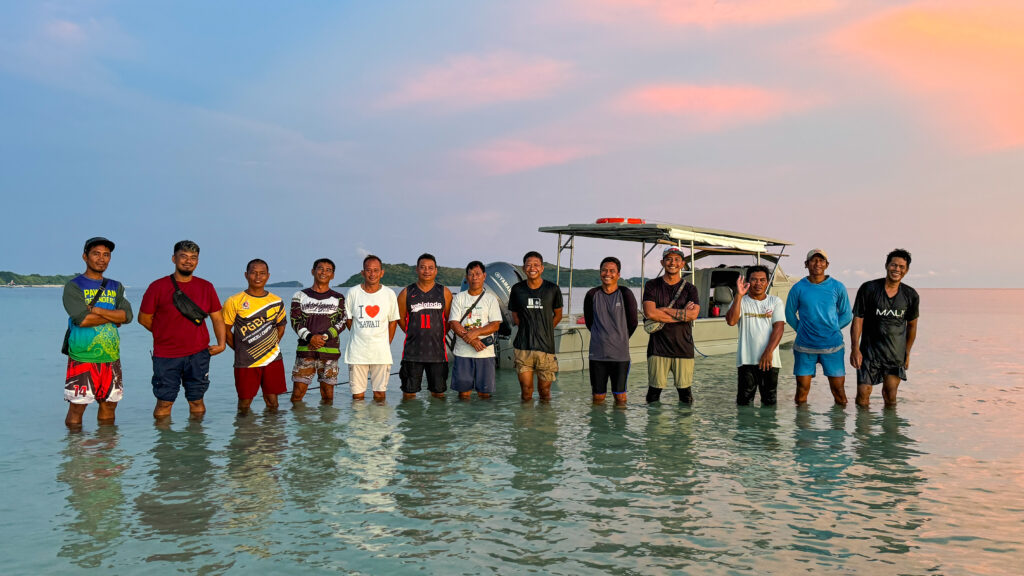
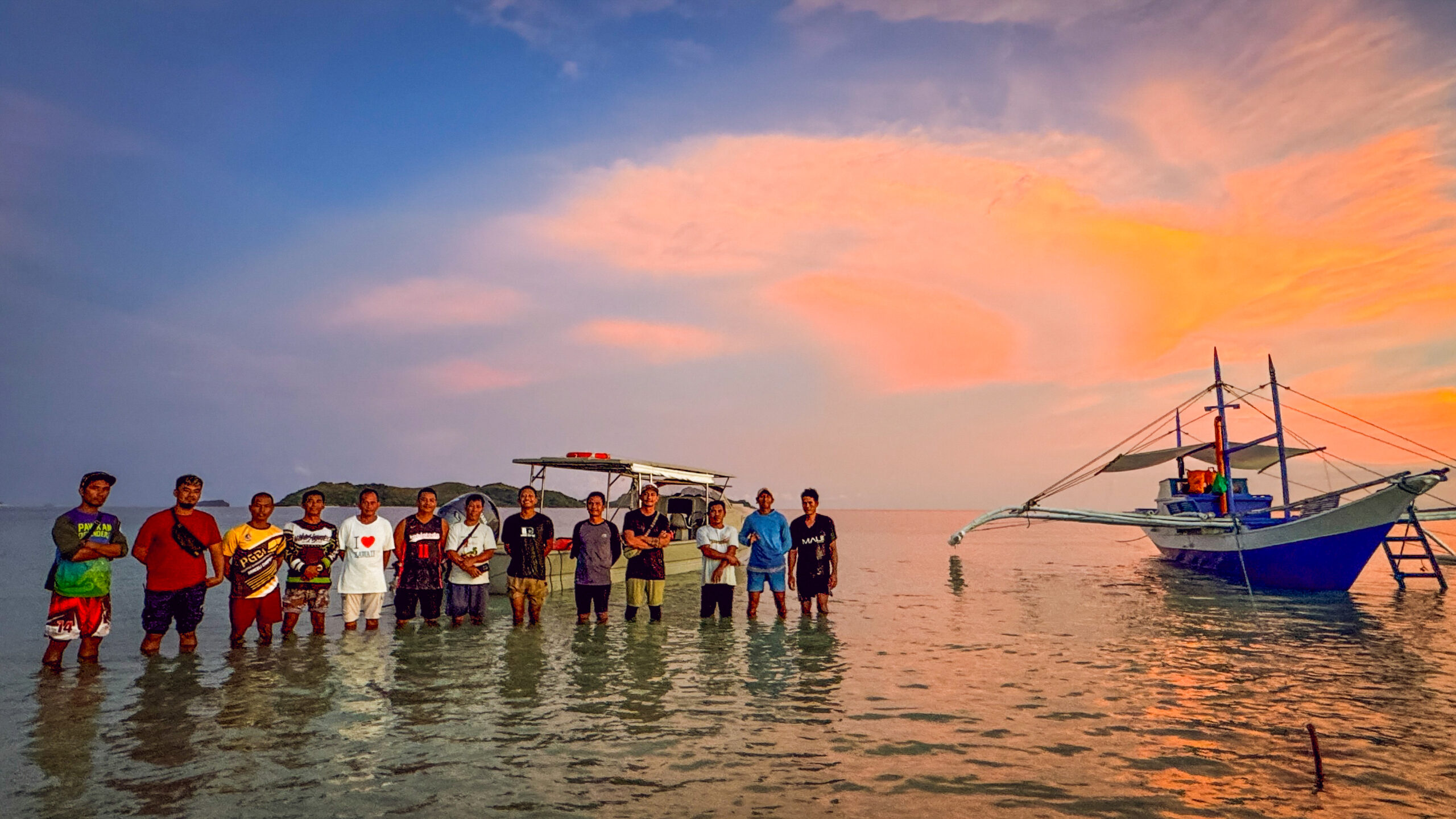
Bolen’s work centres on coordinating a complex network of enforcement actors: Bantay Dagat volunteer sea wardens, the Philippine National Police, the Philippine Coast Guard, and Blue Alliance staff who provide training, monitoring tools, and logistical support.
Bolen is a leader who not only guides operations but constantly looks out for his team of rangers. He cares deeply for the people that he works alongside and knows that patrols can expose his team to risks. He has worked hard over the years to build trust and mutual respect with his team to help keep them all safe.

Day and Night on Patrol
Illegal fishing activities can happen at any time, so patrols need to take place at all times of day. This means patrol boats are often out before sunrise and can return after midnight on some occasions. Some patrols are quiet, and others are filled with tense encounters as illegal fishers attempt to evade enforcement.
At home, he is the father of three daughters, who know that their father’s work keeps him on the water late into the night. Protecting Palawan’s seas is a responsibility he carries for them and their future too.
“We need to protect these waters”.

A Personal Mission
Bolen grew up around communities whose lives are tied to the sea. He knows that when fish stocks decline, it can lead to families going hungry, children leaving school, and dwindling livelihoods. This first hand understanding of the consequences of illegal fishing is part of why he makes sure every patrol is as effective as possible, never taking shortcuts, and instilling a strong sense of responsibility in his team.
He has seen the early signs of recovery in some sites. Fish populations seem to be increasing, reefs look healthier, and there is a general sense of growing awareness among local fishers. These changes strengthen his resolve and reinforce the importance of the MPAs he helps protect.
Empathy and Human Realities
Enforcement is rarely straightforward. Cutting off income from illegal sources often means confronting people who are trying to feed their families. Bolen understands the frustration this can result in, and his empathy guides the way he works. He treats violators with dignity, listens to their concerns, and explains why enforcement exists. He knows that fear or anger often hide deeper economic struggles.
This is why Blue Alliance invests in alternative livelihood programmes, helping fishers shift to legal, sustainable activities.
A Culture of Care
Bolen cares deeply about the people he works with. He has built a culture of respect and camaraderie within the enforcement teams, creating a space where everyone feels responsible not just for the job, but for one another’s safety and well-being. He wants the same for his community. He is working towards a future where Northern Palawan’s waters are abundant again, where fishers earn enough to support their households in a sustainable way, and where children grow up swimming and playing in a healthy, thriving ocean.
Eduardo knows that there is still plenty of work to be done, but he also knows that his efforts bring Northern Palawan closer to a resilient future.
“If we don’t protect these areas now, there won’t be resources left for the next generation.”
In his calm and caring leadership, deep commitment to community, and constant presence on the water, Eduardo Bolen embodies Blue Alliance’s mission:
Regenerating oceans at scale — for people and nature.
“Regenerating Oceans at Scale – For People and Nature.”