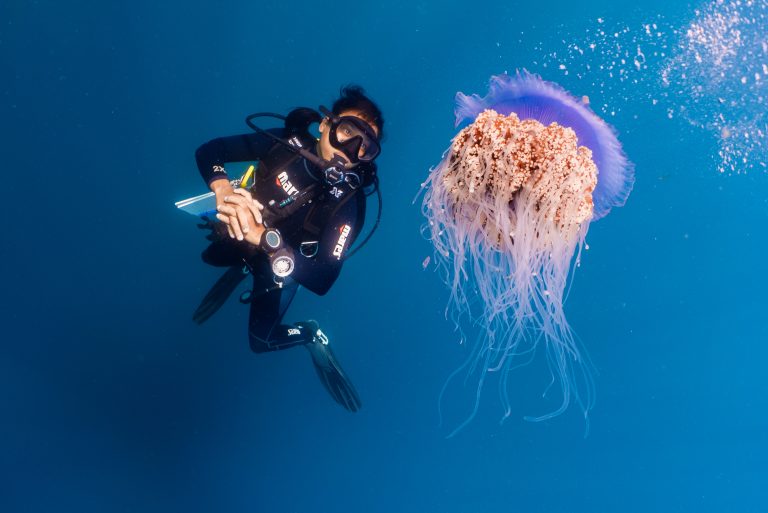
Ceila grew up inland. The sea was not somewhere she knew. It was a place she had watched on a screen. The film Finding Nemo left a huge impression on Ceila, sparking many questions: is the ocean really that colourful? Are sharks really that frightening? Is the open water really that quiet, and that blue?
“I could only wonder,” she says. “I never once imagined that one day I would see it all with my own eyes, be close to it, and even work for the ocean.”
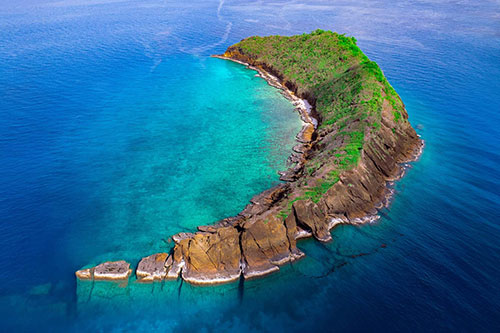
Today, Ceila is Assistant Coordinator of Biodiversity Conservation, Science, and Monitoring with Blue Alliance Indonesia, based in the Banggai Area XII Marine Protected Area. The world she once pictured through a screen is now her field site.
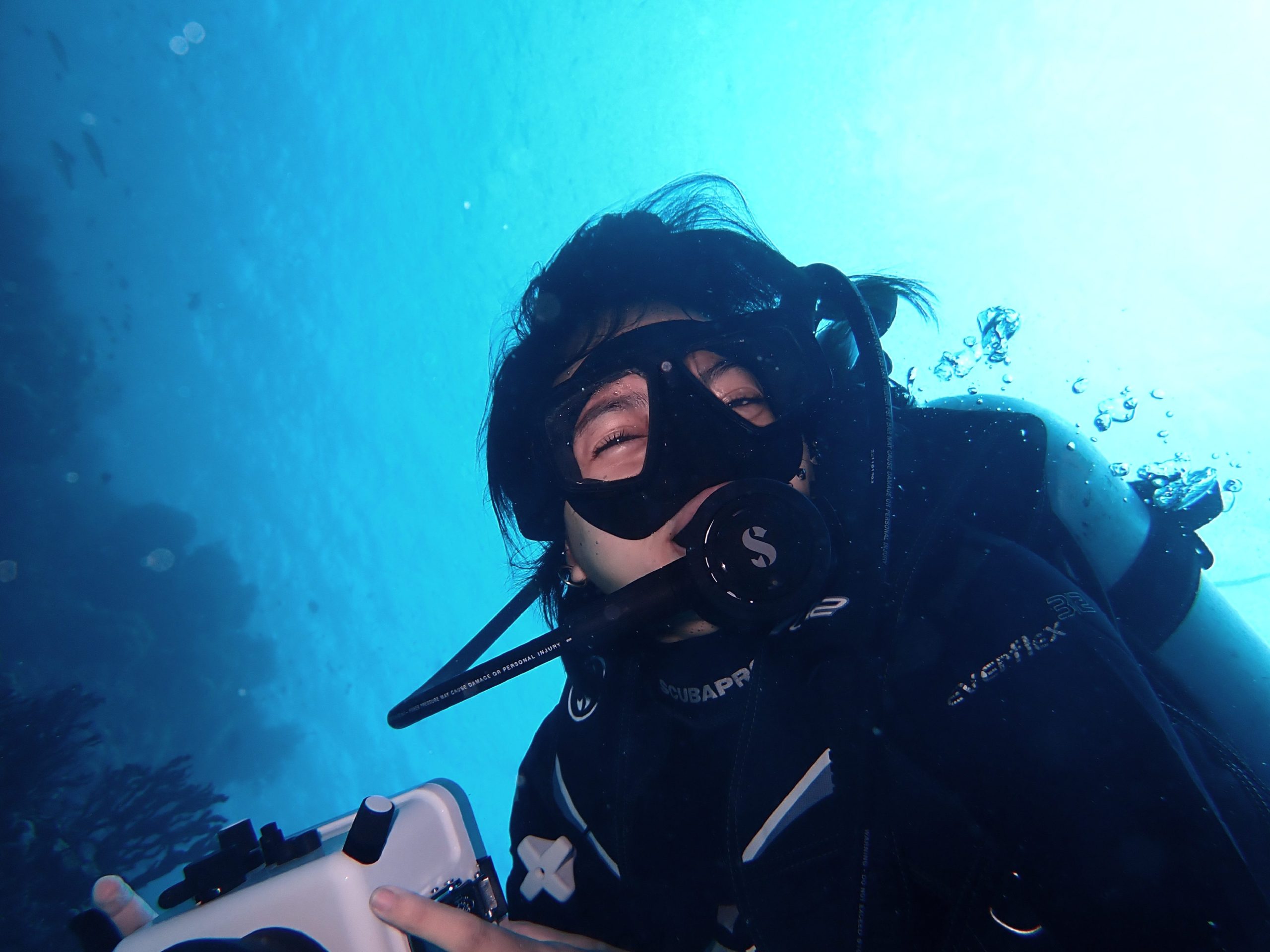
The thing that truly captured Ceila’s heart when she was finally able to explore the underwater world was coral.
“Whenever I see them, they remind me that they are tiny, fragile animals, and yet they play such an important role in the ecosystem,” she says. “There is something beautiful about how something so small and delicate can provide shelter, support biodiversity, and contribute so much to the life around them.”
Coral reefs across the Coral Triangle are under pressure from climate change, destructive fishing, and pollution, and Ceila’s role at Blue Alliance brings her close enough to the issue to see it playing out first-hand.
“It makes me sad to think that perhaps, in the future, I may no longer be able to enjoy this beauty the way I do now.”
A Glimpse into Ceila’s Work
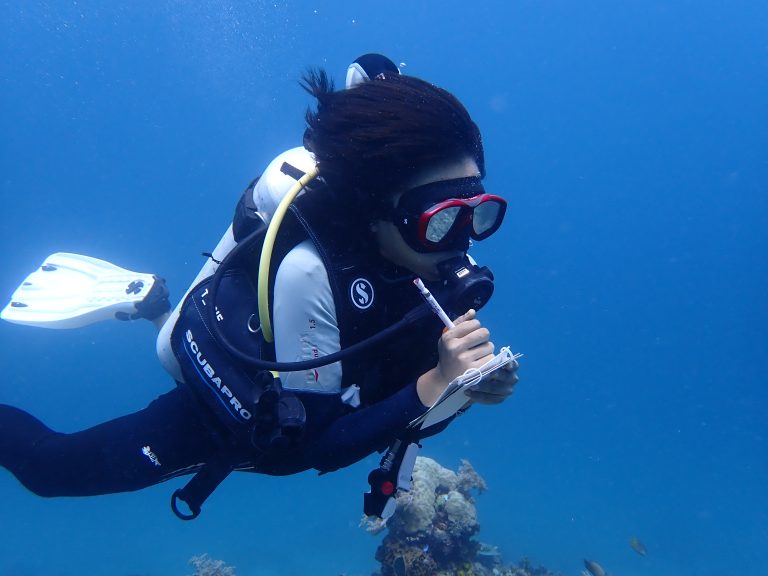
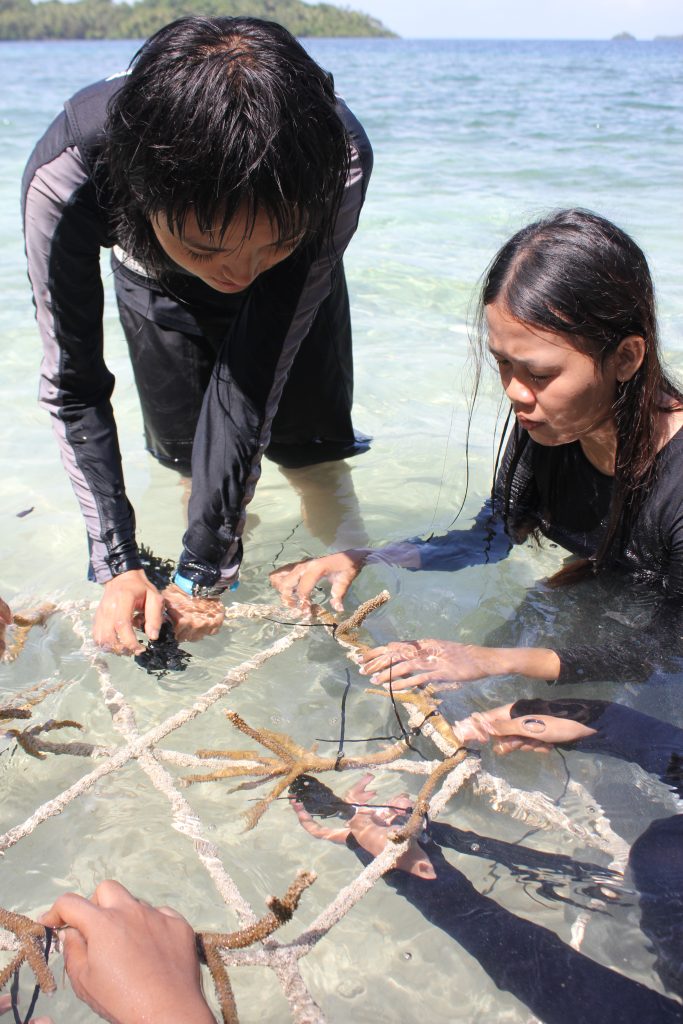
Ceila’s work runs on a monthly cycle of routine programmes: fish spawning aggregation (SPAG) monitoring, commercial fish monitoring, coral restoration, fish landing surveys, and experimental catch-per-unit-effort (eCPUE) surveys. Most of them involve diving, so her mornings usually start with equipment checks, or with loading materials and logistics for whatever is scheduled that day.
On SPAG days, the team dives sites already identified as potential spawning aggregation locations. Many reef fish species gather at the same places, at the same points in the lunar and seasonal calendar, to reproduce. This predictability makes aggregations easy to monitor once they have been identified. Knowing where they are and learning when they occur is one of the first steps to protecting these productive spaces in the ocean.
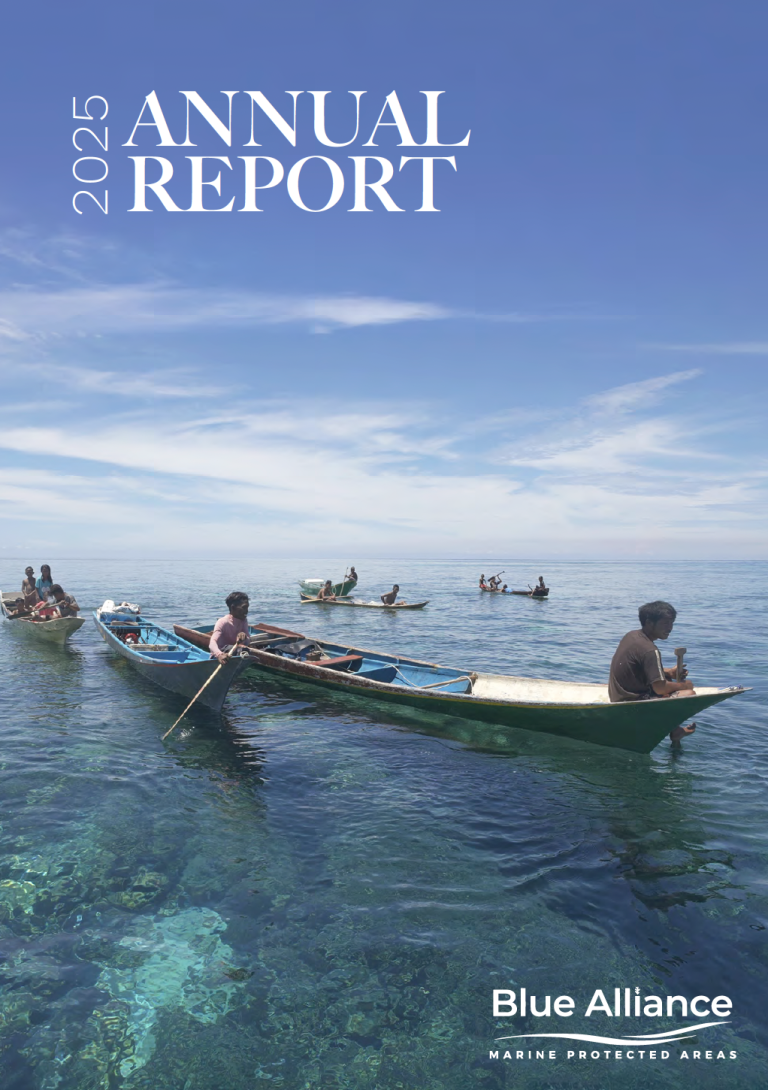
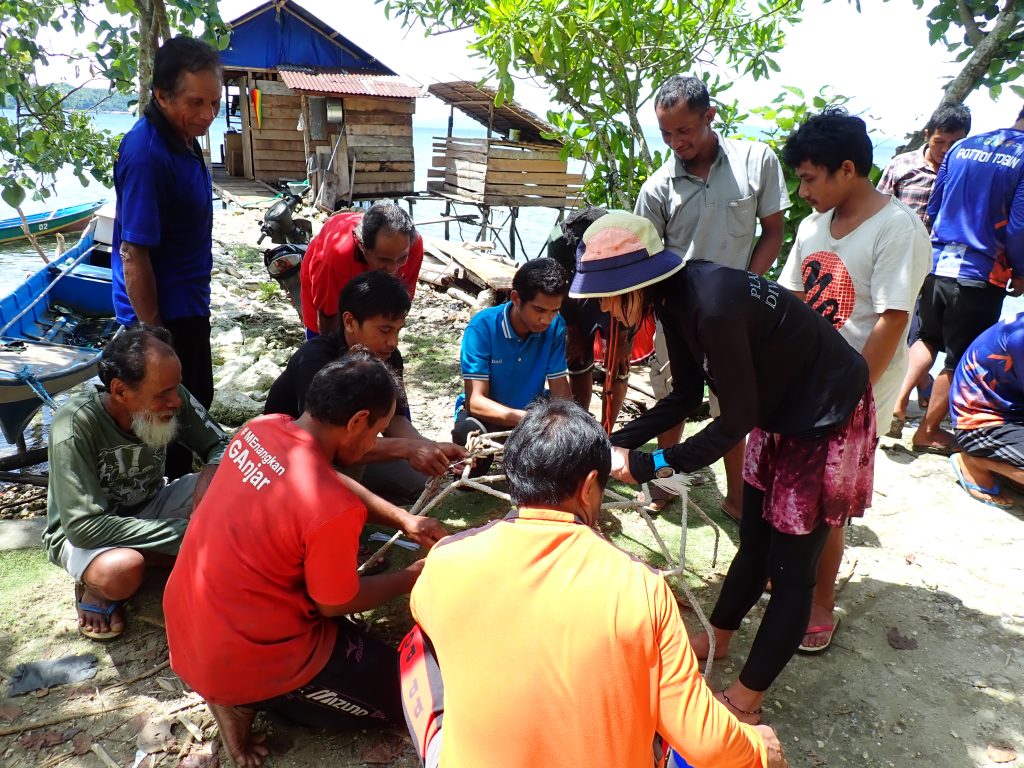
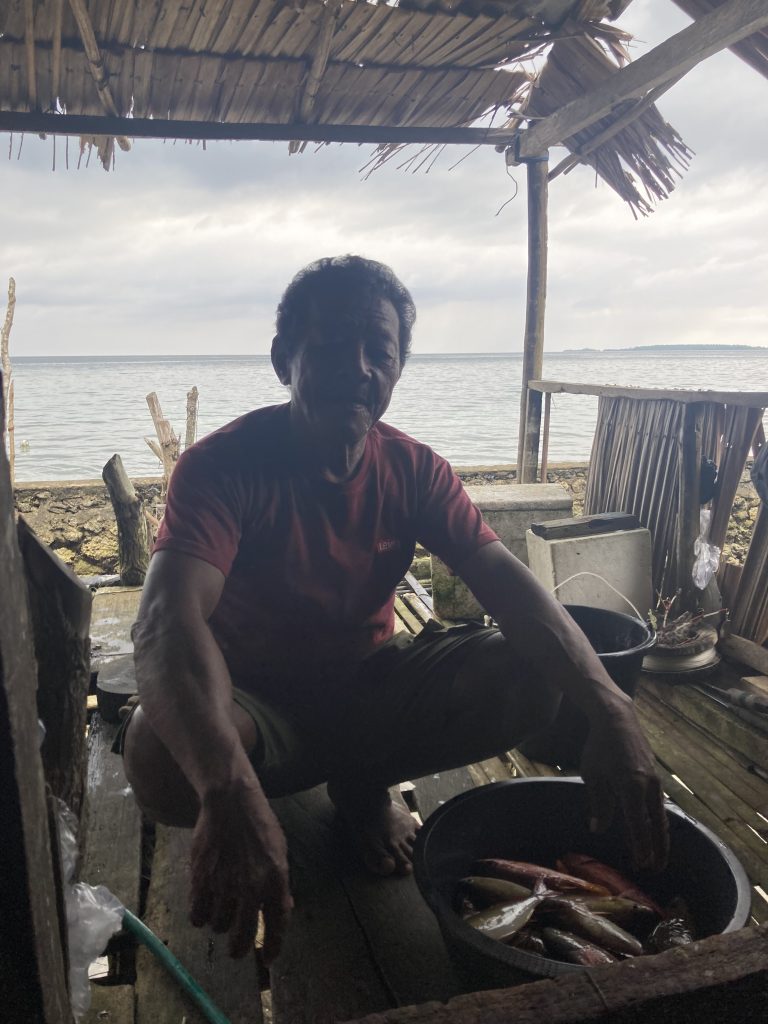
The eCPUE programme takes Ceila out of the water and into the villages, meeting fishers who take part in the programme, collecting information and coordinating the work.
“Some days I spend my time at sea doing fieldwork,” she says. “Other days I work directly with the local community.”
Next up comes the reporting. An invaluable step that informs planning for future monitoring and engagement.

Numbers on a slate become a wall of fish
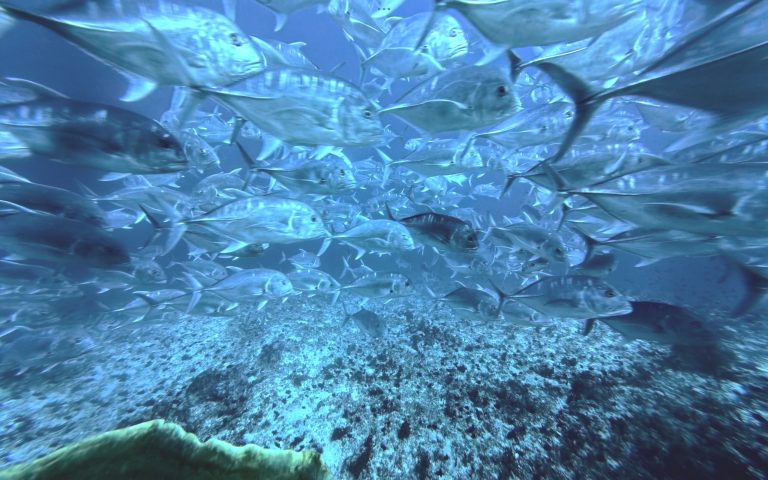
When asked what has been her most memorable moment, Ceila mentions one dive that has stayed with her more than any other. During a SPAG survey, Ceila swam into a school of giant trevally, Caranx ignobilis, somewhere between 100 and 200 fish, some of them close to a metre long. She had never seen anything like it.
“It was quite intimidating at the time, because there were so many of them and they were so big,” she says. “But being able to see them directly was an incredible experience I will never forget.”
This kind of encounter transforms the numbers and statistics behind fish monitoring into a tangible and deeply memorable experience.

A bridge, and a voice
When asked what makes her proudest, surprisingly, the answer has nothing to do with the diving that Ceila dreamed of growing up.
“I think I can become a bridge between the ocean, coastal communities, and people who may not always have the opportunity to understand what is happening beneath the surface,” she says. “Through the scientific data we collect, I hope we can give the ocean a voice.”
In Blue Alliance’s model, monitoring is one of the pillars that effective MPA management is built on: it highlights where protection is working, where fishing pressure is concentrating, and where interventions need to change. It informs management decisions and it also gives coastal communities evidence about a resource their livelihoods depend on.
The exchange runs in both directions. Ceila is clear that the fishers she works with have taught her as much as her surveys have.
“Talking with them opens up a new perspective for me on what the ocean means, because I didn’t really know about it at first,” she says. “Whether we live close to the sea or far away from it, the ocean is always there and continues to benefit us in ways we may not even realise.”
What the sea decides
Ceila’s work is physically demanding and comes with an element of unpredictability.
An important reminder from Ceila: “The sea can be unpredictable. The weather can be bad, the waves can be strong, and we can’t force anything,” she says. “Perhaps that is its way of reminding us that we are the ones who need to adapt. After all, we are the ones who need the ocean.”
Passing on the mask
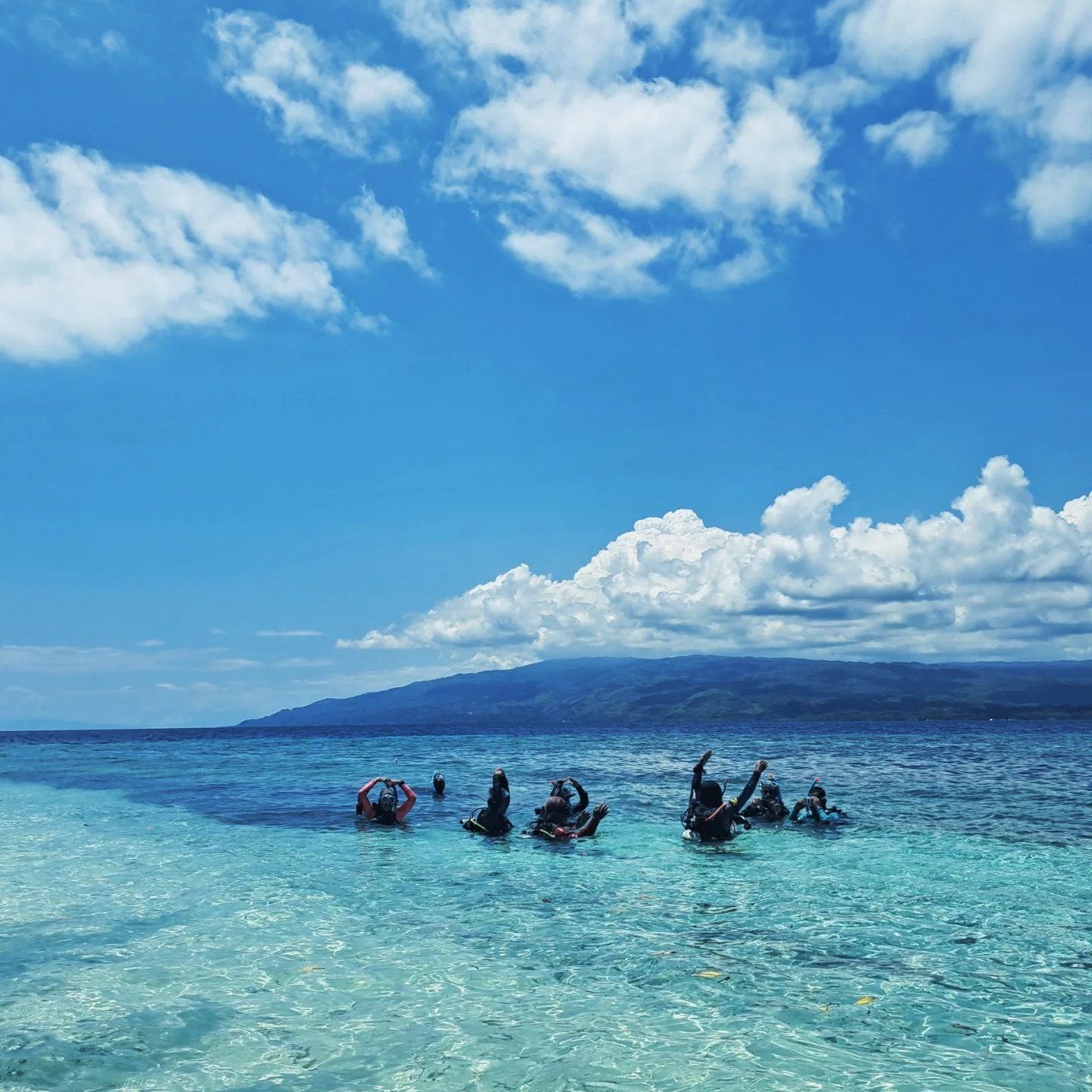
Ceila has been with Blue Alliance for five months, and the thing she is most looking forward to as she continues on her journey with us is seeing how local community members can be upskilled. Earlier this year a diving certification programme was run for local community members in the MPA.
“I’m really looking forward to seeing how, in the future, local people can become the ones who play an important role in protecting the ocean, at least the ocean right in their own backyard,” she says. “Thinking about that possibility really excites me.”
Ceila’s excitement for that future brings her story full circle. The girl who once knew the ocean only through a screen now spends her working life helping others see beneath its surface for themselves: some through data and conversation, others through a mask, in the water off their own village.
“Regenerating the ocean at Scale – For People and Nature.”