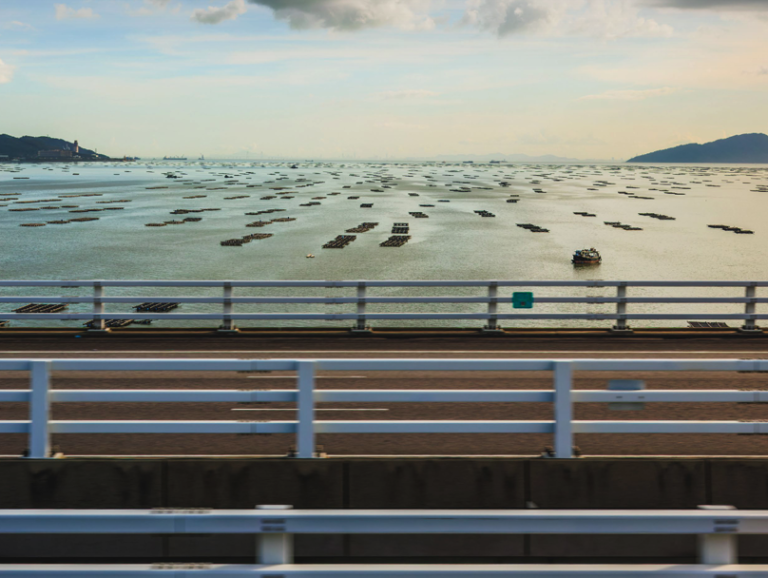
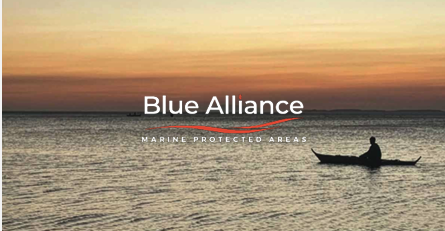
On the northern tip of Pemba, Zanzibar, the shoreline glows under the rising sun. Fishers ready their boats, children make their way to school, and the wind carries the familiar scent of the sea. The sea that sustains this island and its community.


Before most of her neighbours have stepped outside, Asha Bakar Mtwana is already out walking the coastline alongside fellow rangers, scanning for footprints, turtle tracks, abandoned nets, or anything that might hint at illegal fishing activities. By afternoon, she is boarding a patrol boat alongside fellow Blue Alliance PECCA rangers.
For Asha, protecting the ocean is not simply part of her work. It is her responsibility to her community, her children, and the ecosystems that have supported Pemba for generations.
Asha’s days begin in her village in Makangale, surrounded by farmland and mangroves. At 38, she wears many different hats: mother of six, cassava farmer, small-scale fisherwoman, and one of Blue Alliance PECCA’s frontline marine rangers.
Asha’s live is a balancing act. Balancing daily life, tending to her crops, and patrolling the Pemba Channel Conservation Area. Seeing Asha in this role still turns heads in a region where these activities have long been seen as men’s work.


About the Pemba Channel Conservation Area
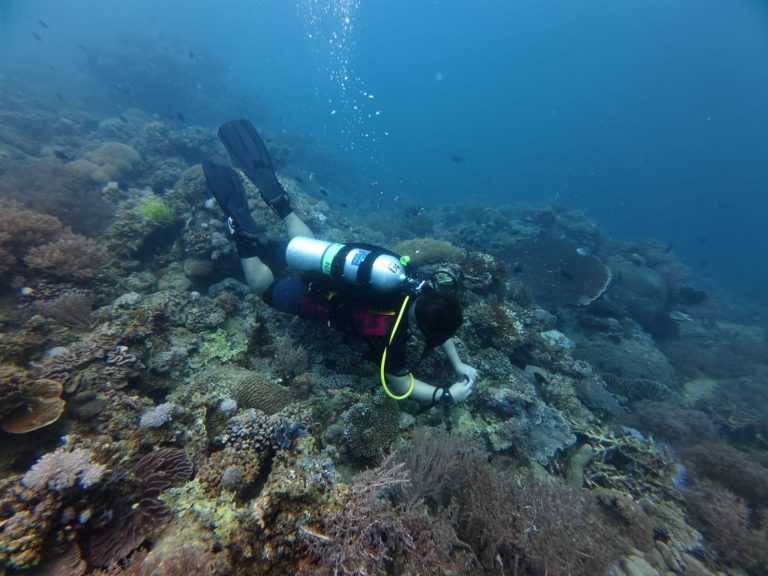
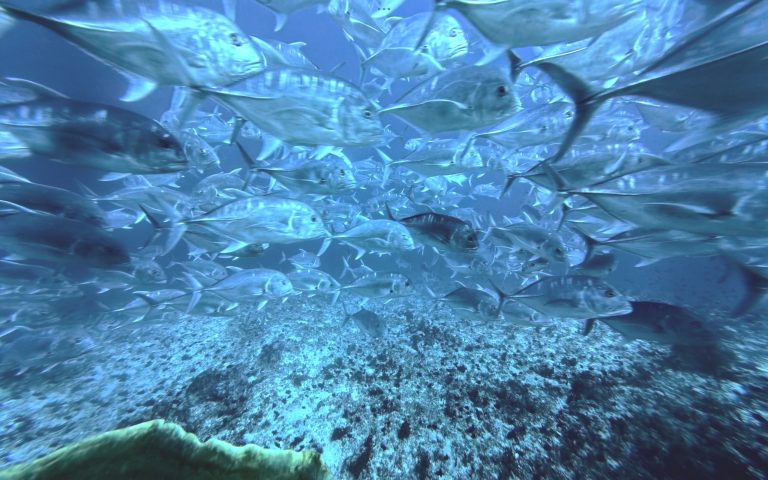
Asha works within the Pemba Channel Conservation Area (PECCA), a 27,000-hectare Marine Protected Area (MPA) co-managed by the Revolutionary Government of Zanzibar and Blue Alliance. This area boasts coral reefs, seagrass meadows, and mangrove forests and is the heart of the community, providing livelihoods that sustain families. The area is also under pressure. Climate change, destructive fishing, and unsustainable practices threaten the delicate balance that supports both biodiversity and livelihoods. When asked why she became a ranger, Asha responded “I have been inspired to be a ranger because I understand that when we use the marine resources properly, we will have so much benefit from it”. For Asha and her fellow rangers, protecting the ocean means protecting their community’s food security, cultural continuity, and livelihoods for future generations.
A day in the life
A typical patrol with Asha follows both routine and instinct. Her team moves across beaches to check for signs of illegal fishing, coral damage, or signs of turtles nesting. They talk to fishers, ask questions, and offer advice. They confiscate illegal gears when needed, a task that has resulted in conflict more than once. Blue Alliance now offers a gear swap programme where illegal gears are confiscated and replaced with legal options.
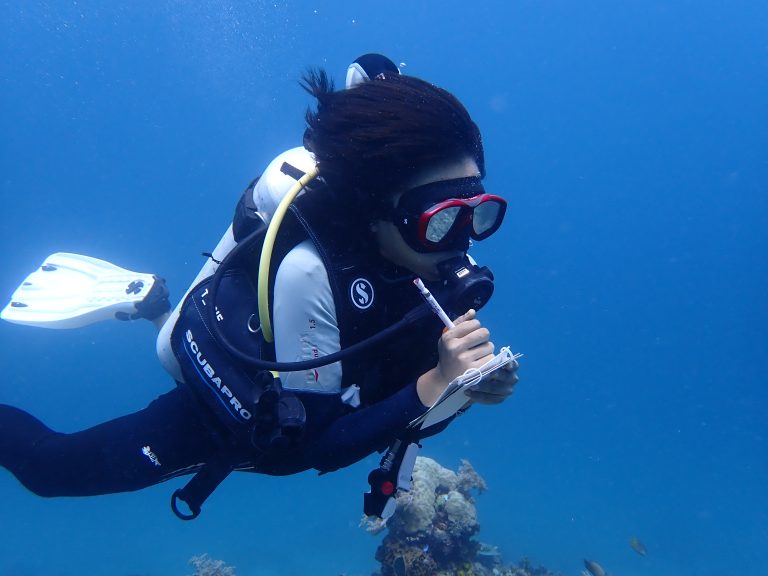
Patrolling then takes to the water. The ranger boat travels through corridors in the mangrove forests and over coral reefs teeming with life. Using the EarthRanger mobile app, Asha photographs and logs each observation, such as gear seizures and wildlife sightings, creating a real-time record of marine activity in PECCA.
Asha and her fellow rangers use a blend of modern technology, community trust, and formal enforcement to protect the Pemba Channel Conservation Area.

Challenging stereotypes and breaking down barriers
Not everyone accepts the regulations Asha is tasked with upholding. Some fishers resist having their gear inspected. Some disagree with catch-size rules. Others see enforcement as a threat rather than support. In addition to this, some people disagree with women filling the role of ranger, a role that is typically seen as a male role. “We receive many bad words from some people, sometimes they even throw stones at us.” Still, she returns to patrol each day.
Blue Alliance PECCA is proud to have three female rangers on the team. By breaking down barriers for women, these rangers are forging a path for more women to follow and are showing their community that ocean protection is everyone’s fight.
Hope for the future
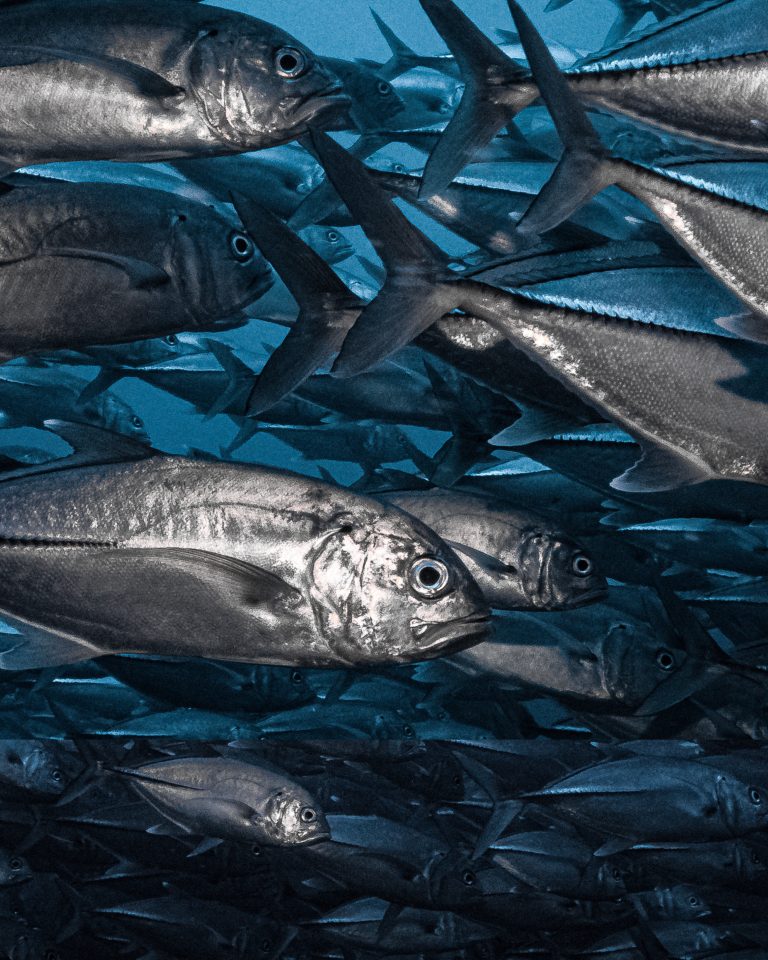
Fishers have been reporting better catches. Communities are learning why harvesting undersized species is detrimental and patrols are becoming less confrontational and more collaborative. Asha sees the results firsthand, “the most rewarding part of being a ranger is seeing more fish,” she says. “When there is more fish, families have more income. It gives people hope.”
Encouraging women and girls
Asha did not grow up imagining she would become a marine ranger. Few women in Pemba did. Asha is now receiving swimming lessons and developing new skills as a ranger. Her visibility encourages women and girls in her community to see marine conservation and protection as a space where they too belong, not just as beneficiaries, but as leaders, scientists, monitors, and decision-makers. Her persistence is countering social norms that once limited women to specific roles.
Blue Alliance’s vision is ambitious but clear: Regenerating oceans at scale — for people and nature. And regeneration begins with people like Asha enforcing the rules of Marine Protected Areas, giving these areas the space and time to regenerate and thrive.
“If we take care of the ocean,” Asha says, “the ocean will take care of us.”


“Regenerating Oceans at Scale – For People and Nature.”