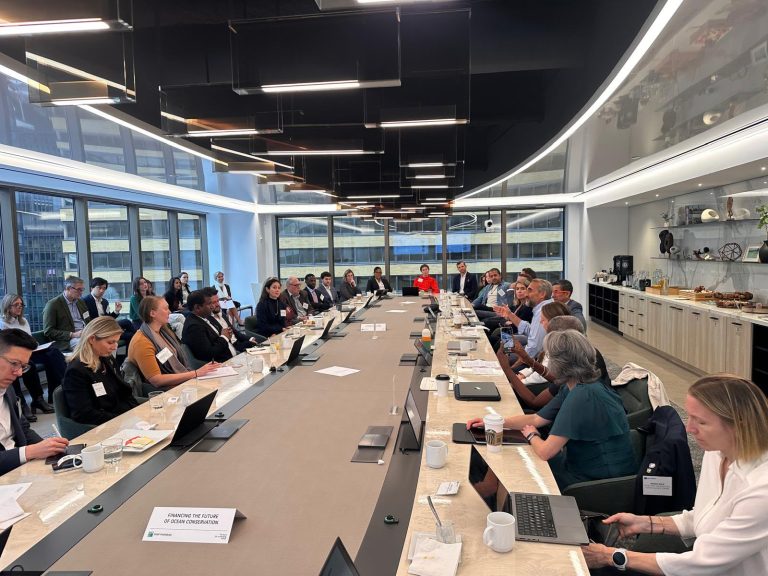
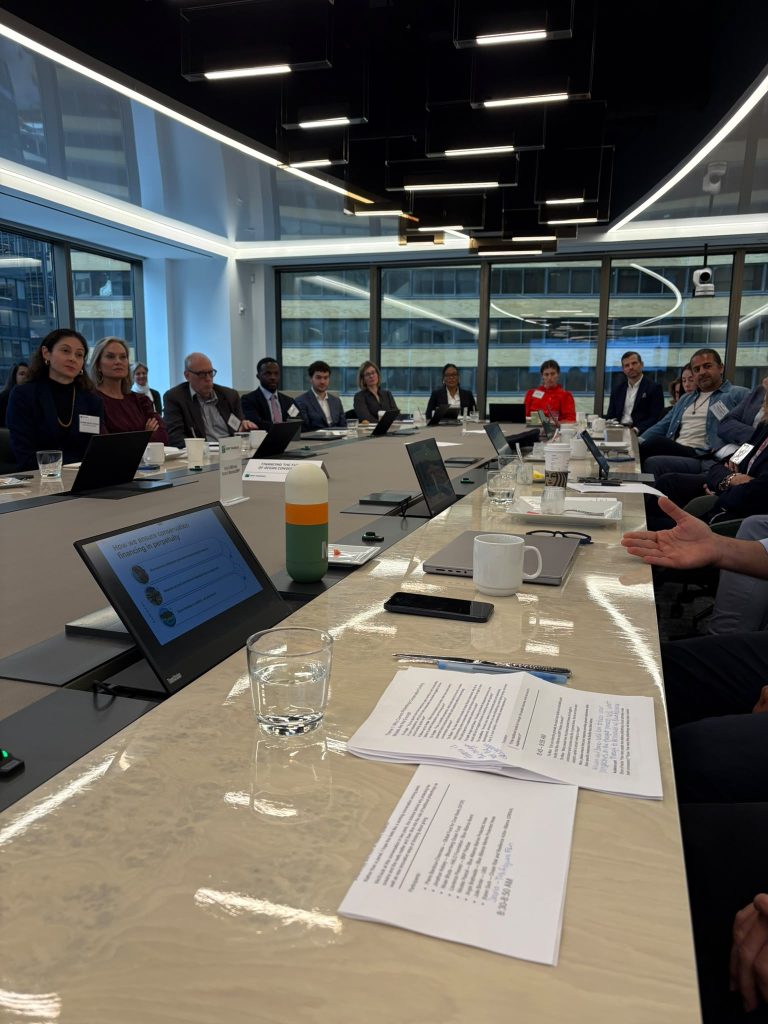
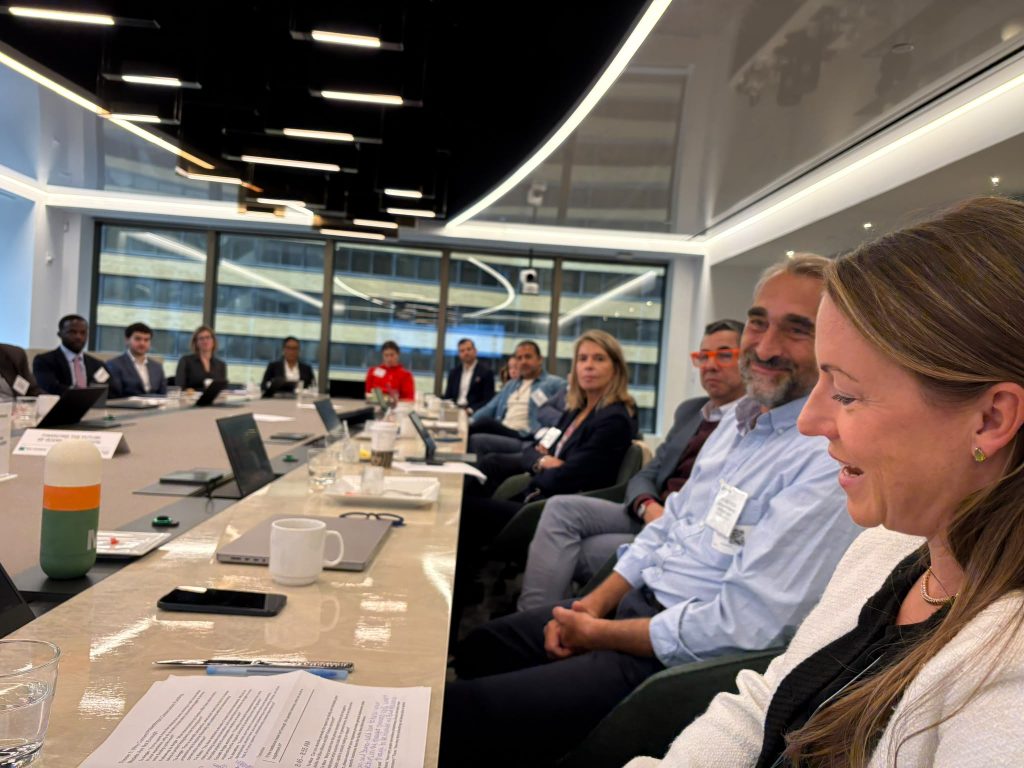
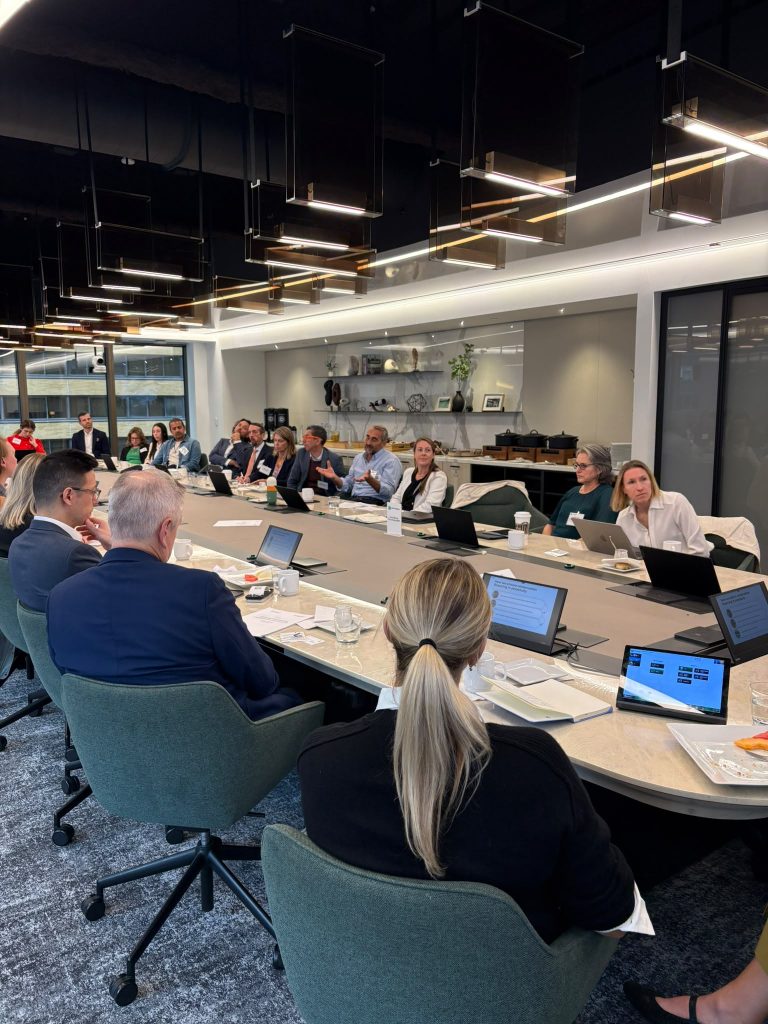
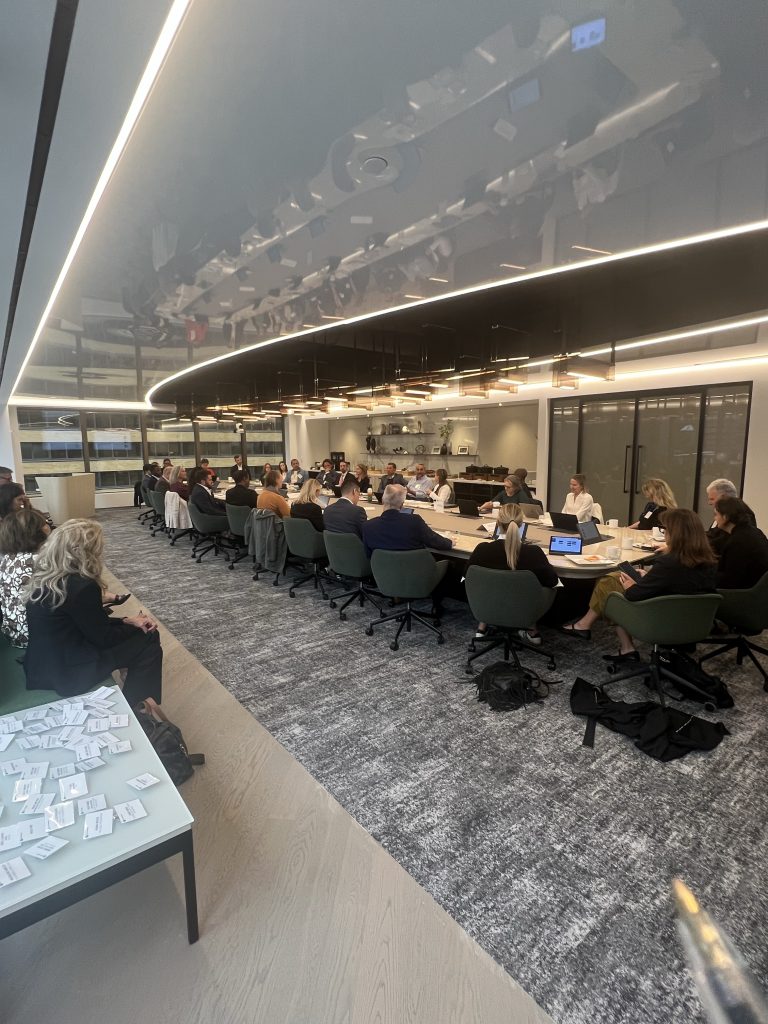
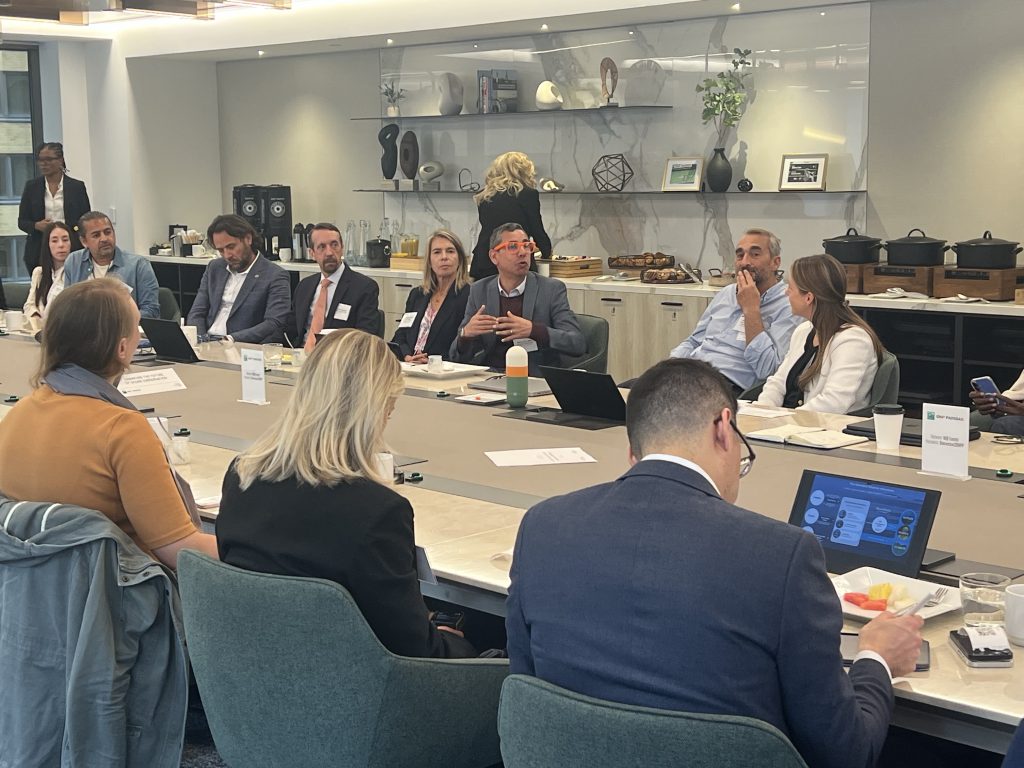
On 23 September, during Climate Week NYC, Blue Alliance convened a roundtable breakfast at BNP Paribas in New York. The session, “Philanthropy 2.0: Financing Ocean Conservation at Scale, Today”, brought together philanthropists, foundations, family offices, investors and conservation leaders to discuss a central question: how can philanthropy move beyond funding individual projects towards building conservation models that sustain themselves?
Moderated by Julie Binder of UBS Optimus Foundation, the discussion used Blue Alliance’s own financing mechanism as a live case study. Our model combines blended finance with community-based social enterprises, owned by a nonprofit, that generate revenue for conservation. Profits from these businesses, which include community-based aquaculture, sustainable fishing, and ecotourism, are reinvested in managing Marine Protected Areas (MPAs).
Four messages stood out from the conversation.
1. Coral reefs need lasting protection, at scale, today
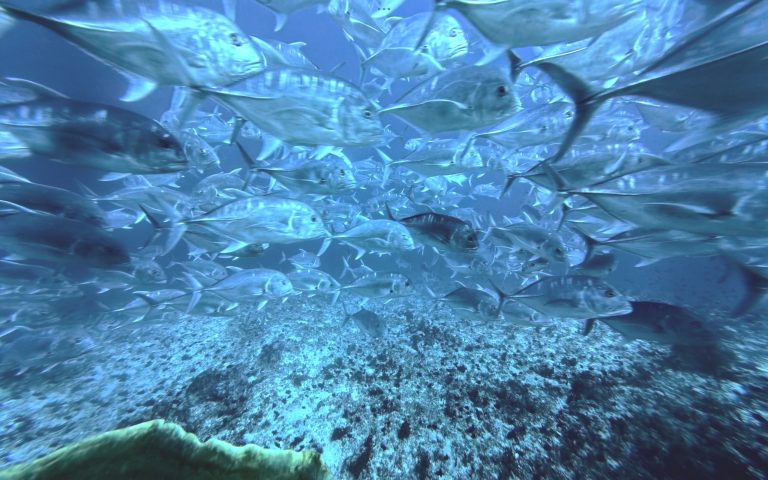
Climate change is the greatest long-term threat to coral reefs. The Intergovernmental Panel on Climate Change (IPCC) projects that 70–90% of warm-water coral reefs will be lost if global warming reaches 1.5°C.
Reefs also face local pressures that can be addressed now. Pierre Bardoux-Chesneau of the Global Fund for Coral Reefs pointed to overfishing and unmanaged tourism as examples. Effective protection can reduce these pressures and improve the chances that reefs withstand the changes ahead.
The challenge is making that protection last beyond short funding cycles, and taking what works to scale.
2. Communities need a real stake in conservation
Protection only works when the people who live alongside reefs support it. As Dario Soto Abril of the Trafigura Foundation put it: “If the community isn’t behind it, it isn’t going to work.”
Speakers agreed that communities should do more than benefit from conservation. They need to participate in the economic value that healthy ecosystems create, through local enterprise, livelihoods and access to markets with real demand.
3. Philanthropy can take the early risk, but it cannot act alone
Philanthropy has a distinct role as a first mover. As Jonathan Kelsey of the Bloomberg Ocean Fund noted: “Philanthropy has been there in that role of first movers taking some of the early risks and supporting new approaches.”
That early risk-taking allows new models to be tested and developed. But as those models mature, they need different forms and sizes of capital. Grants, refundable grants and patient impact loans each play a role. Equity and commercial investment may also have a place, although equity has not yet been tested in Blue Alliance’s community-based model.
Karen Sack of the Ocean Risk and Resilience Action Alliance (ORRAA) summed up the task ahead: “We’ve got to capitalise, we’ve got to replicate for scale.”
4. Demonstrating impact unlocks the next layer of capital
Laurence Pessez of BNP Paribas highlighted the importance of measuring biodiversity, social and economic outcomes. Credible evidence of progress builds the confidence other investors need to participate.
This also requires respecting the pace of conservation. Ecological recovery and community enterprises take time to demonstrate results, often longer than conventional grant or investment cycles allow. Patient capital, committed over years rather than months, is what carries models through the stage where they are being developed, tested and proven.
Finance as a means, not an end
Across the discussion, one idea connected these themes. As Nicolas Pascal, Blue Alliance’s Executive Director, put it: “Finance is the means, not the end.”
The goal is healthy coral reefs, thriving coastal communities and sustainable blue economies. Finance matters because it can make those outcomes possible and durable. No single organisation or source of capital can achieve this alone. It requires philanthropy, finance, governments, science, and communities working together around models that can last.
Thank you
We are grateful to our speakers Karen Sack (ORRAA), Pierre Bardoux-Chesneau (Global Fund for Coral Reefs), Jonathan Kelsey (Bloomberg Ocean Fund), Nivan Bhuta (Halo Foundation), Laurence Pessez (BNP Paribas) and Dario Soto Abril (Trafigura Foundation), alongside Blue Alliance’s Nicolas Pascal and Angie Brathwaite. Thank you to Julie Binder of UBS Optimus Foundation for moderating, and to BNP Paribas for hosting.
The conversation continues. If you would like to learn more about Blue Alliance’s financing model or explore partnership opportunities, please get in touch.
“Regenerating the ocean at Scale – For People and Nature.”